The global dental 3D printing market has roughly doubled since 2020 and is projected to reach USD 10.06 billion by 2030 at a 20.5% CAGR[1]. Materials—not printers—are now the decisive variable in production economics. A dental lab running the same LCD printer can win or lose on throughput, yield, and rework simply based on which resin it selected for each indication.
Yet resin selection remains one of the most confusing procurement decisions in digital dentistry. Catalogs show dozens of SKUs with overlapping claims. Regulatory language (FDA 510(k), CE MDR Class IIa, ISO 13485) is inconsistently disclosed. And the consequences of choosing wrong—biocompatibility failures, fractured temporaries, aligners that lose shape—show up only in clinical use, not on the spec sheet.
This guide gives you a practical three-step framework: first, anchor on your operational role; second, choose by dental application; third, validate the non-negotiables. By the end, you will have a repeatable process for evaluating any resin against your workflow, not just the ones your current supplier happens to carry.
Why Resin Selection Matters More Than Ever in 2026
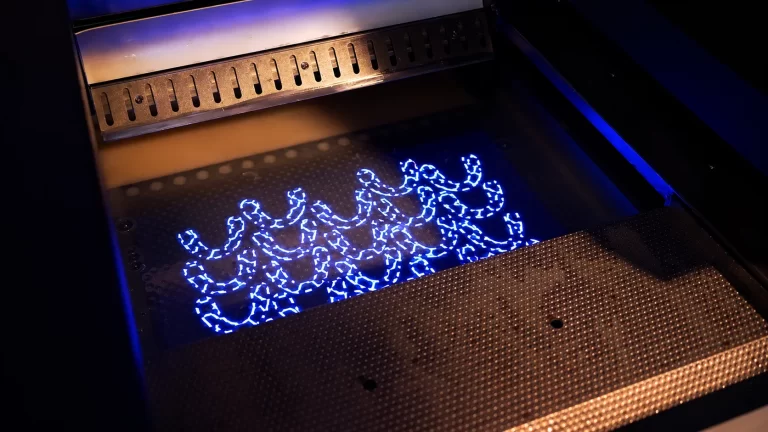
VAT photopolymerization—the LCD, DLP, and SLA technologies that cure liquid resin—already accounts for the largest share of the dental 3D printing technology mix, driven by its accuracy and compatibility with a wide range of resins[2]. North America remains the single largest regional market, and laboratories still hold the largest end-user share globally[2]. For the US, EU, and AU markets most buyers of this guide serve, the practical reality is:
- Resin cost is now a structural line item, not a consumable afterthought. A single printer may consume 3–8 kg of resin per day in steady production.
- Regulatory expectations have tightened. Under EU MDR 2017/745, many dental devices previously self-certified under the old MDD now require more rigorous conformity assessment[7].
- Application diversity has exploded. A single lab may print models, guides, temporaries, splints, aligners, and castables in one day, each demanding different mechanical profiles.
Selecting the wrong resin no longer costs only a failed print—it cascades into rework, regulatory exposure, and patient-facing quality issues.
Step 1 — Match the Resin to Your Operational Role
Before comparing parameters, decide whose priorities matter most. Three buyer archetypes dominate the dental 3D printing market, and each weights resin properties differently.
Dental Laboratories
Labs optimize for print stability, dimensional consistency, surface quality, and post-processing efficiency. Rework is the hidden killer of lab margin, so repeatability across shifts matters more than peak spec values. Labs also benefit most from open-system resins that decouple material cost from printer vendor pricing.
DSOs and Central Production Centers
DSOs care about SOP standardization, cross-site replication, training efficiency, and traceability. A resin that performs beautifully in one pilot center but breaks when transferred to a second facility is a strategic liability. Batch-to-batch consistency, documented parameter windows, and supplier audit trails (ISO 13485) are typically non-negotiable.
In-Clinic (Chairside) 3D Printing
Clinics prioritize simplicity, low maintenance, and predictability. Staff are dental professionals, not materials engineers. Resins should have forgiving process windows, short post-processing cycles, and clearly defined indications so chairside operators do not need to make materials-science decisions during patient care.
| Priority | Dental Lab | DSO / Central Lab | In-Clinic |
|---|---|---|---|
| Throughput / cycle time | High | Highest | Medium |
| Batch-to-batch consistency | High | Highest | Medium |
| Open-system compatibility | Highest | High | Low |
| Post-processing simplicity | Medium | Medium | Highest |
| Regulatory documentation depth | Medium | Highest | Medium |
| Low-volume SKU breadth | Highest | High | Medium |
Step 2 — Choose by Dental Application
Organize your resin library by indication, not by brand. Below is a practical map across the seven application categories that cover the vast majority of dental 3D printing workflows, with the RayForm SKU family as a reference point.
Dental Models
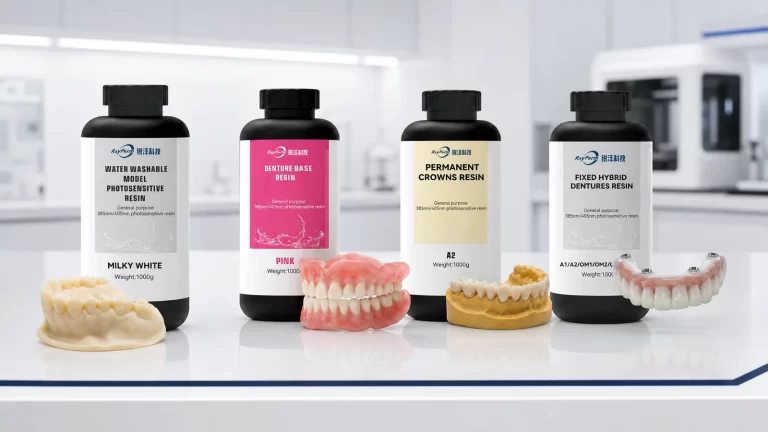
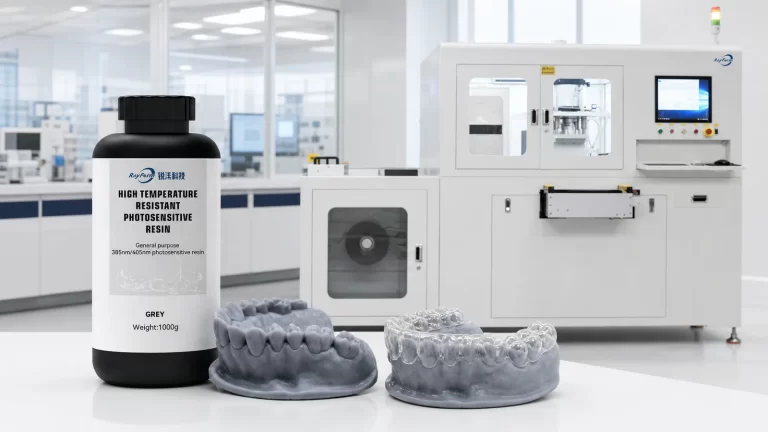
The highest-volume, lowest-margin category. You will print more model resin than any other type, so cost-per-kg and wash efficiency dominate. Key parameters: dimensional accuracy (typically ±50 µm on working models), shrinkage, and wash method. RayForm offers dental model resins, including water-washable and implant model options. Check the printer parameter library for the exact resin-printer combination.
Typical buyer: Lab, DSO.Surgical Guides
When evaluating a surgical guide material, request the current technical data sheet, instructions for use, and product-specific regulatory documentation. Confirm the intended use and any washing, curing, or sterilization protocol for the exact material before use. Printing settings alone do not establish suitability for clinical use.
Typical buyer: Lab, DSO, Clinic.Temporary Crowns and Bridges
Temp C&B resins trade off flexural strength against polishability and shade fidelity. Check the exact RayForm Temp C&B product documentation for available shades and intended use. The key failure mode in this category is wear and staining under occlusal load, not raw strength.
Typical buyer: Lab, Clinic.Permanent Crowns
RayForm offers permanent crown resin formulations with 25% and 55% ceramic filler. Compare the current product-specific technical data sheets and instructions for use; filler percentage alone does not establish a clinical indication or regulatory approval. Confirm the exact product documentation for the destination market before use.
Typical buyer: Lab, DSO.Denture Bases and Gingiva Masks
Denture base resins require long-term oral contact safety, fracture toughness under repeated load, and shade realism. Gingiva mask resins are a separate category used for soft-tissue models in implant planning. RayForm offers standard denture base, flexible denture base, and gingiva mask resins. These are separate materials; consult the documentation for the exact product.
Typical buyer: Lab, DSO.Splints and Night Guards
RayForm offers hard and soft splint resins as separate materials. Compare the current technical data sheet, printing and post-processing instructions, intended use, and product-specific regulatory documentation for the exact resin. Do not infer certification or clinical suitability from a product category name.
Typical buyer: Lab, Clinic.Clear Aligners, IBT, and Castable Resins
Three specialty categories that share one trait: each serves a narrow but high-margin indication.
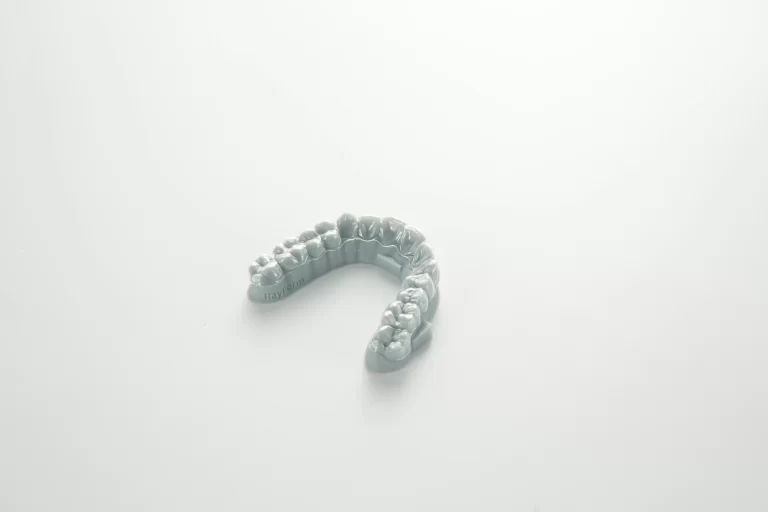
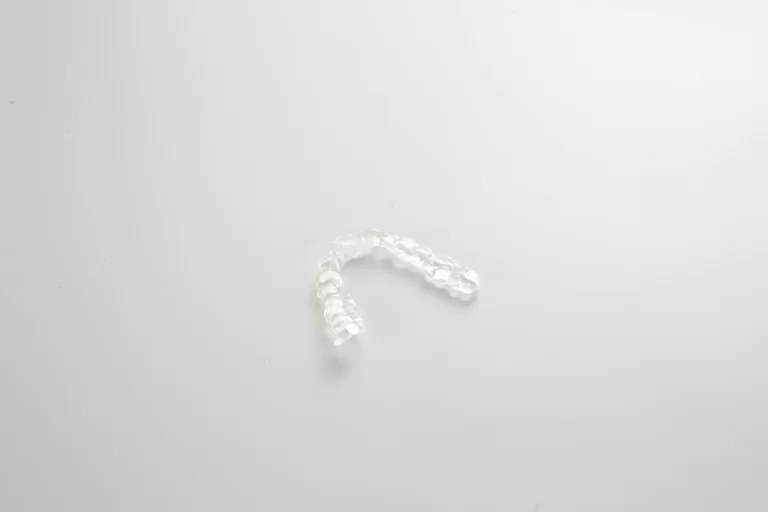
- Clear aligner resin (direct-print aligners): RayForm’s 4D Clear Aligner Resin is formulated around flexural strength near 40 MPa, elongation at break near 80%, Shore D near 82, and shape-memory behavior for direct-printed aligners. Biocompatibility validation under ISO 10993 and application-specific regulatory submissions are standard in regulated markets[4][5].
- IBT resin (indirect bonding trays for orthodontics): requires accurate transfer of bracket positions and clean release from the tray after seating.
- Castable / wax resin: used as a sacrificial pattern for metal-casting workflows; the critical parameter is low residual ash on burn-out.
Typical buyer: Aligner manufacturer, DSO, Lab.
Compare the full dental resin catalog against this map before issuing any RFQ.
Step 3 — Validate the Non-Negotiables
Once you have narrowed candidates by role and application, four validation checks separate compliant suppliers from marketing-only claims.
Biocompatibility and ISO 10993
ISO 10993-1 is the framework standard that governs biological evaluation of medical devices; it requires testing proportional to the nature and duration of tissue contact[5]. For intraoral dental resins, the practically relevant sub-standards are ISO 10993-5 (cytotoxicity), ISO 10993-10 (sensitization), and ISO 10993-18 (chemical characterization). FDA references ISO 10993-1 in its guidance for 510(k), PMA, and De Novo submissions[4]. A resin marketed as “biocompatible” without accessible test evidence against these sub-standards should not be accepted at face value.
Regulatory Pathways (FDA 510(k), EU MDR, ISO 13485)
- United States: most intraoral dental 3D printing resins require FDA 510(k) clearance demonstrating substantial equivalence to a cleared predicate[4].
- European Union: EU MDR 2017/745 classifies most dental 3D printing devices in Class IIa or higher, requiring Notified Body conformity assessment[6][7]. 3D-printed devices made from a written prescription for a single patient may qualify as “custom-made devices” under MDR Annex XIII, but this qualification is case-by-case and does not remove manufacturer obligations[6].
- Quality management: ISO 13485 certification of the manufacturing site is widely treated as baseline in procurement audits, especially for DSOs.
Open-System Compatibility
Closed ecosystems lock material procurement to a single vendor. Open-system resins—tuned to 385 nm / 405 nm LCD and DLP platforms—preserve pricing leverage and supplier redundancy. If your printer fleet includes multiple brands, prioritize resin suppliers who publish validated parameter windows for each printer rather than a single generic profile.
Post-Processing Requirements
Residual uncured monomer is the primary biocompatibility risk in 3D-printed dental devices, and post-processing (wash and UV cure) is what converts a freshly printed part into a clinically safe one. Any resin you evaluate should come with documented wash chemistry, wash time, and UV cure time / wavelength / power. If the supplier cannot provide this, the biocompatibility data on their TDS may not apply to parts produced in your workflow.
Dental 3D Printing Resin Procurement Checklist
Before signing any PO, confirm the following for each SKU:
- Indication and contact duration are stated (short-term / long-term / implantable)
- Biocompatibility test reports are available under ISO 10993-5, -10, and -18
- Country-specific regulatory status is documented (FDA 510(k) number or CE Declaration of Conformity)
- Manufacturing site holds current ISO 13485 certification
- Validated post-processing parameters are specified (wash type, time, UV cure time / wavelength / intensity)
- Parameter windows are published for your printer make and model
- Typical mechanical spec range is provided (flexural strength, Shore hardness, elongation at break)
- Batch-to-batch variance and shelf life are disclosed
- MSDS / SDS is current and available in your market language
- Sample kit and paid pilot program are offered before large-volume commitment
Need printer-matched parameters for your resin shortlist?
Contact the RayForm technical team to request a sample kit or a printer-matched parameter sheet.
Contact the RayForm technical team →FAQ
Are all dental 3D printing resins biocompatible?
No. Biocompatibility is specific to the final cured device, not the liquid resin, and depends on correct post-processing. ISO 10993 evaluation is proportional to contact type and duration, so a resin acceptable for a 24-hour surgical guide is not automatically acceptable for a long-term splint or denture[4][5]. Always confirm that biocompatibility evidence covers the specific indication and contact duration you plan to use.
What is the difference between FDA 510(k) cleared and “made with FDA-compliant materials”?
“FDA 510(k) cleared” means the specific device (the resin product as defined by its intended use) has been reviewed by FDA and judged substantially equivalent to a cleared predicate device[4]. “FDA-compliant materials” or “FDA-listed raw materials” is a much weaker statement that typically refers only to the raw chemical inputs, not the finished dental device. For intraoral use in the US, 510(k) clearance at the SKU level is what matters.
Can I use third-party resins on closed-system printers?
It depends on the printer. Some manufacturers restrict third-party resin use through DRM-style chip locking; others run open. Even on nominally open printers, print quality depends on validated parameter windows for the specific resin/printer pairing. Ask the resin supplier for published parameters for your exact printer model before purchasing.
How long do 3D-printed temporary crowns last?
Typical temp C&B resins are designed for short-term wear measured in weeks, generally not exceeding a few months. Wear, staining, and fatigue failure under occlusal load are the dominant failure modes, so temporaries should be replaced on the schedule specified by the treating clinician, not left in place indefinitely.
Do I need separate resins for LCD, DLP, and SLA printers?
In most cases yes, at least in terms of validated parameter windows. Many modern dental resins are formulated for 385 nm or 405 nm photoinitiators that cover both LCD and DLP workflows, but exposure time, lift speed, and layer thickness still need to be tuned per printer. Do not assume a parameter set that works on one platform will transfer to another without testing.
What post-processing equipment do I need to preserve biocompatibility?
At minimum, a manufacturer-specified wash station (chemistry and agitation type) and a UV post-cure chamber with documented wavelength and intensity. Skipping or shortening either step materially changes the chemistry of the finished part and invalidates the biocompatibility claims on the TDS. Automated post-processing systems are increasingly standard in DSOs and aligner factories precisely for this reason.
Conclusion and Next Steps
The right dental 3D printing resin is the one that matches your operational role, the specific dental application, and the regulatory environment you sell into—in that order. Use the three-step framework in this guide to shortlist candidates, then validate each against the procurement checklist before committing to volume.
A practical next step: request a dental 3D printing resin sample pack matched to your current printer fleet and your top three indications. A structured pilot across 50–100 prints will reveal more about real workflow fit than any spec sheet.
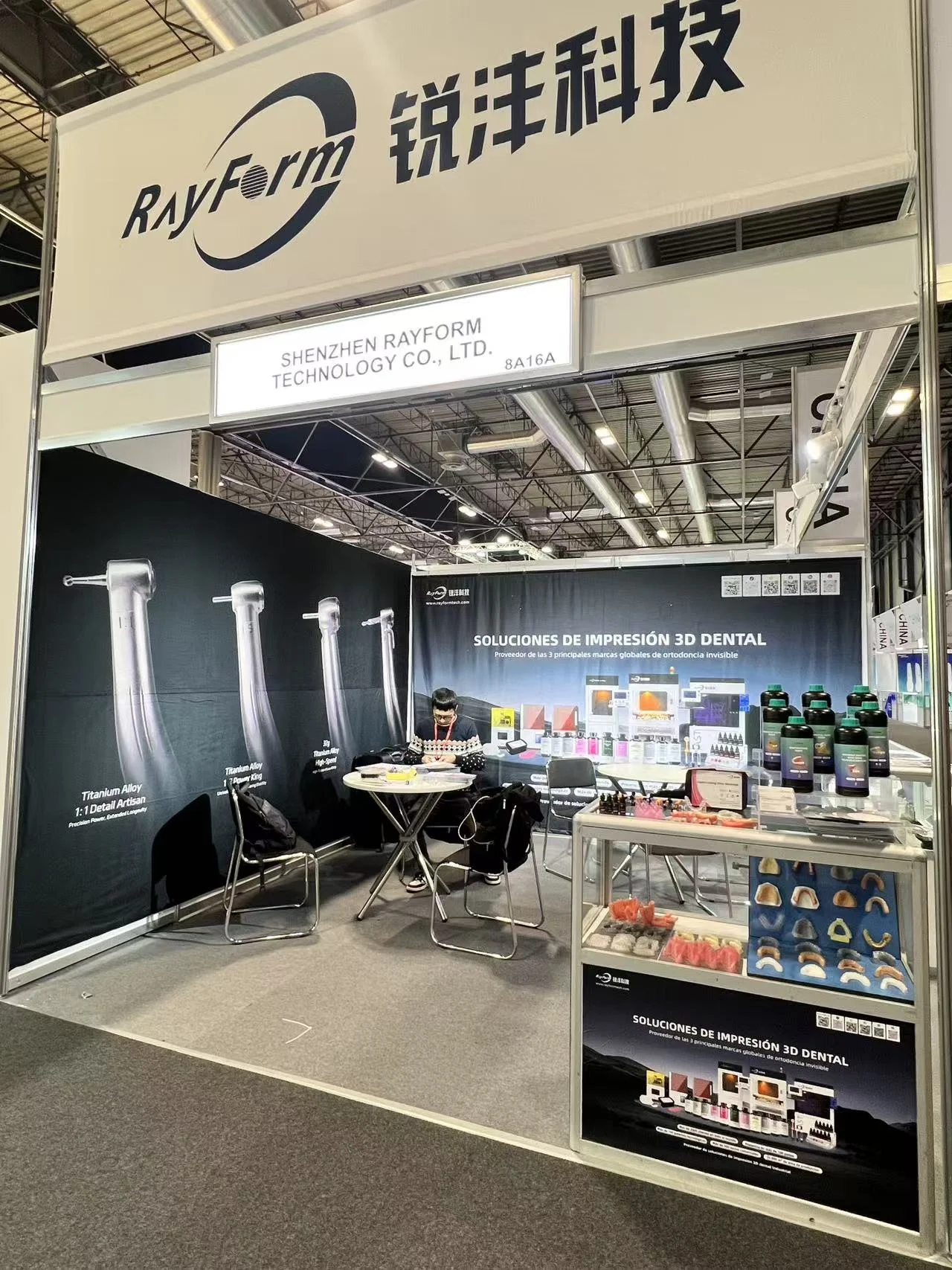
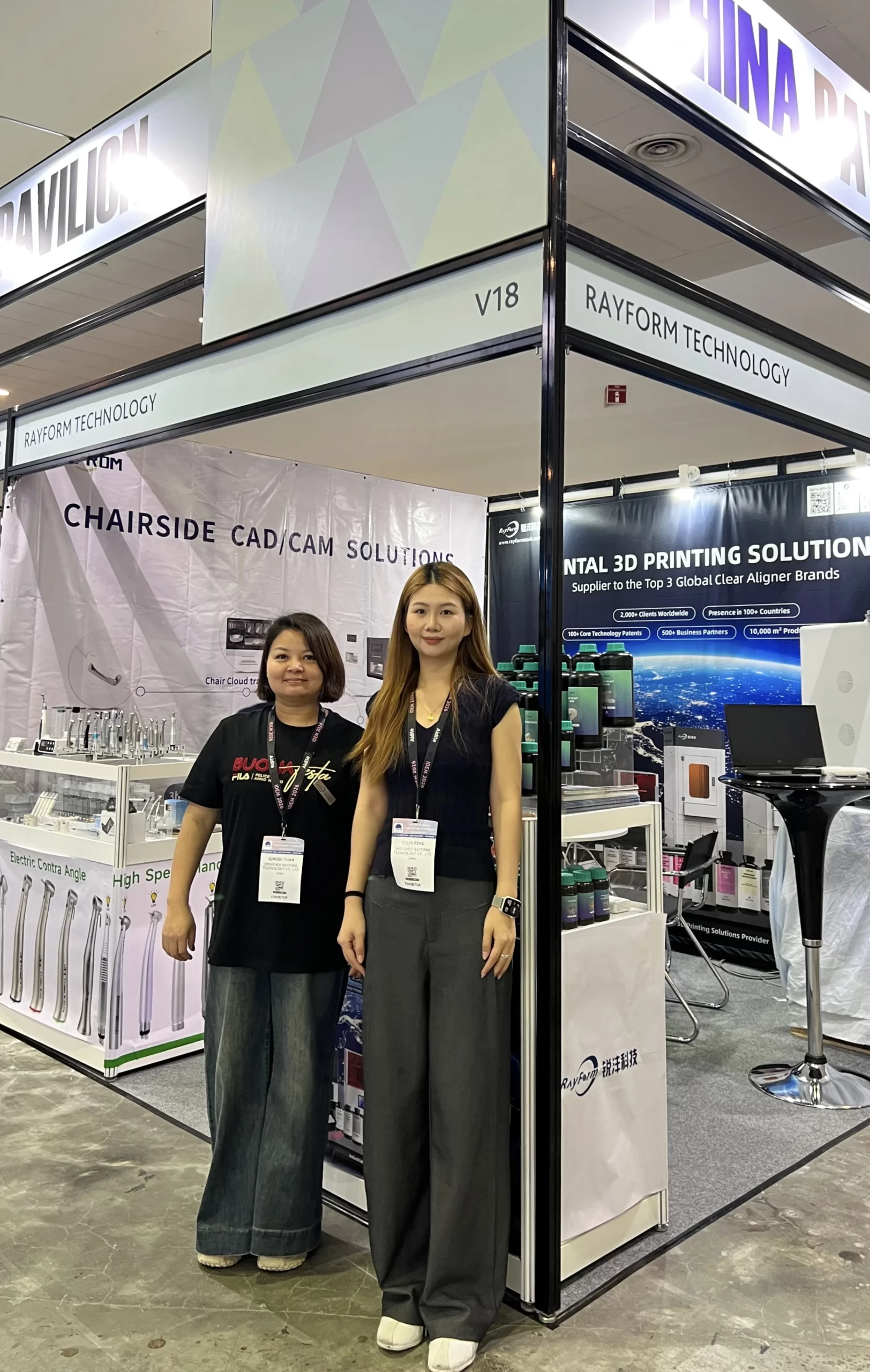
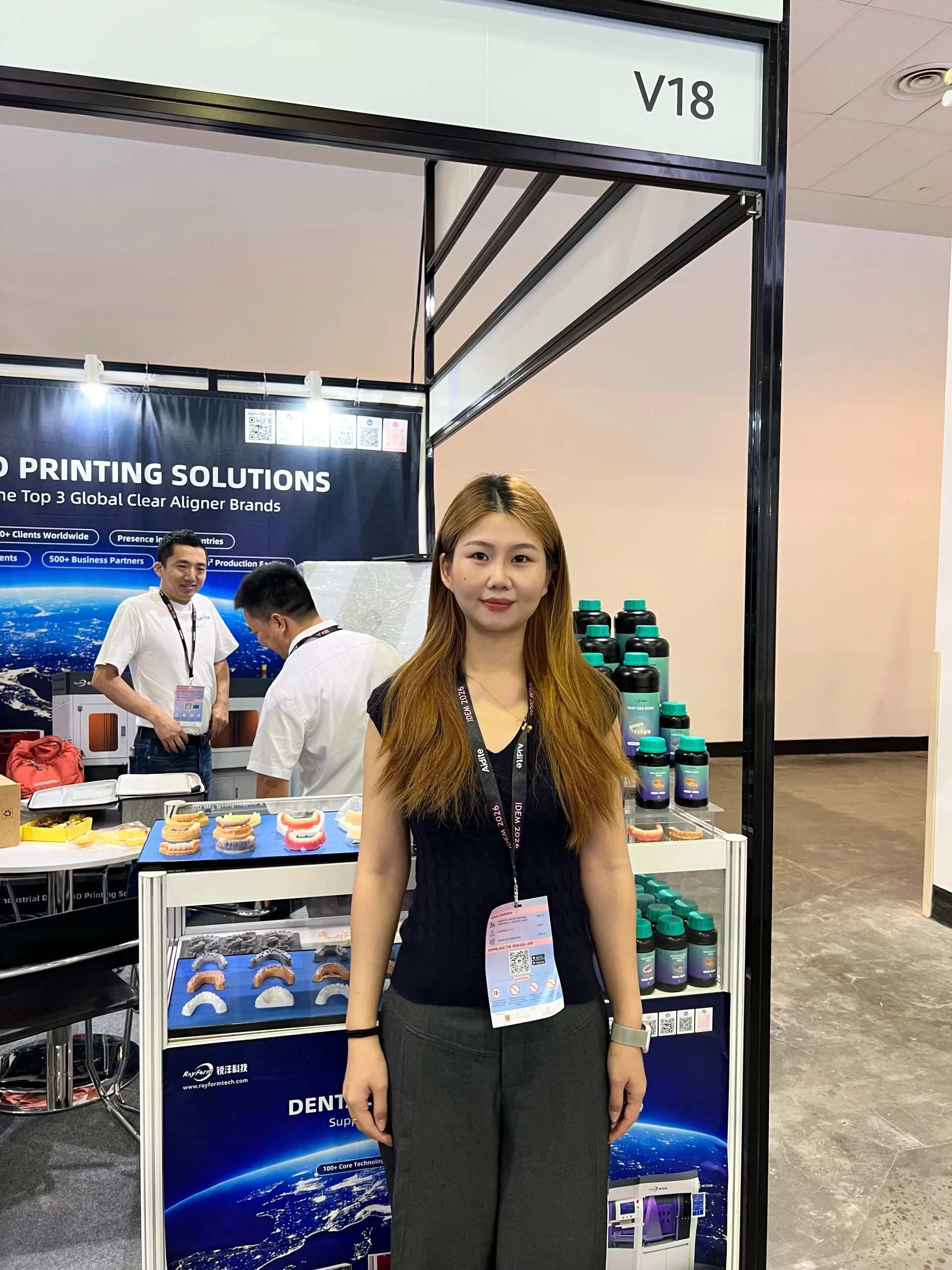
IDEM Singapore is held biennially, and we will be back at IDEM 2028; in the meantime, the full RayForm dental resin portfolio and technical documentation are available online.
References
- MarketsandMarkets — Dental 3D Printing Market Report, 2025–2030. Projects market growth from USD 3.96B (2025) to USD 10.06B (2030) at 20.5% CAGR. marketsandmarkets.com
- Mordor Intelligence — Dental 3D Printing Market Size, Share & Trends Report 2030. VAT photopolymerization technology and dental laboratory end-user segment share data. mordorintelligence.com
- IDEM Singapore — Official event site for the biennial International Dental Exhibition and Meeting, Asia Pacific. idem-singapore.com
- U.S. FDA — Use of International Standard ISO 10993-1 Guidance Document on biological evaluation of medical devices. fda.gov
- ISO — ISO 10993-1:2018 Biological evaluation of medical devices — Part 1: Evaluation and testing within a risk management process. iso.org
- European Commission / MDCG — Questions and Answers on Custom-Made Devices, Adaptable Medical Devices and Patient-Matched Medical Devices under MDR 2017/745. health.ec.europa.eu
- Schweiger J. et al. — Medical Device Regulation (MDR) from a Dental Perspective. Frontiers in Oral Health (PMC11797768). pmc.ncbi.nlm.nih.gov