LMT Lab Day Chicago 2026 – Innovations and Insights for Dental Labs
A panoramic view of where the dental lab industry is headed, exploring breakthrough digital workflows, AI-driven software, and next-generation 3D printing resins.
Introduction
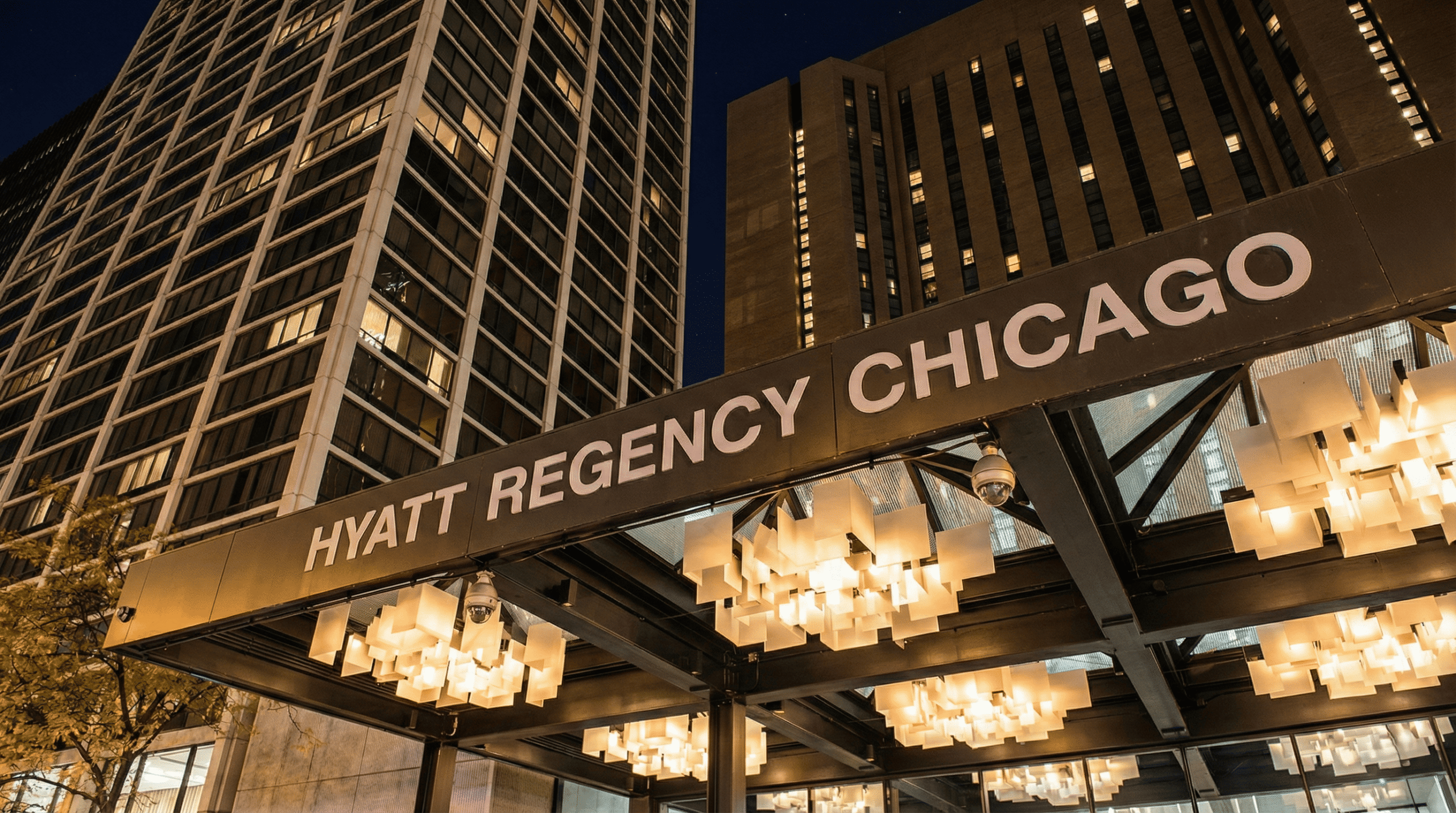
LMT Lab Day Chicago 2026 proved once again why it’s heralded as the world’s largest dental laboratory event[1]. Held at the Hyatt Regency Chicago from February 19–21, this 41st annual gathering united over 5,000 dental lab owners, technicians, clinicians, and industry innovators under one roof[2]. Across two expansive exhibit halls, hundreds of vendors showcased state-of-the-art materials, digital workflow solutions, CAD/CAM systems, and 3D printing technologies shaping the future of dental labs[3].
The atmosphere was electric – a mix of hands-on demonstrations, education sessions, and face-to-face networking all aimed at advancing the craft and business of dental technology. From digital denture workflows to AI-driven design software and next-generation resins, Lab Day Chicago 2026 offered a panoramic view of where the dental lab industry is headed. In this article, we review the event’s highlights, with a special focus on Rayform’s booth (M-28) and their new Denture Base Resin and Flexible Denture Base Resin, and discuss key trends and takeaways for dental labs considering 3D printing adoption. Let’s dive into the innovations and insights from Lab Day Chicago – and how they can help your lab stay ahead of the curve.
Event Overview: The World’s Largest Dental Lab Gathering
LMT Lab Day Chicago has earned its reputation as a must-attend event for dental lab professionals. As the largest international dental laboratory show in North America, it offers an unparalleled opportunity to see cutting-edge lab technologies and materials in one place[1]. This year was no exception. Over the three-day event, attendees enjoyed free access to extensive exhibit halls where more than 300 exhibitors displayed the latest in digital workflows, 3D printers, resins, milling machines, and prosthetic solutions[3].
Walking the show floor, you could explore everything from high-speed scanners and CAD/CAM software to new biocompatible resins and fully printed prosthetics. Meanwhile, an intensive seminar program ran in parallel, with dozens of expert-led sessions on topics like digital dentures, guided implant surgery, advanced zirconia techniques, AI-driven lab automation, and lab-to-clinic communication[4]. Many of these courses offered continuing education credits, underscoring the event’s educational value.
Such scale and breadth make Lab Day Chicago a barometer for industry trends. Attendance has grown each year – for instance, 2024’s show shattered records with 5,200 participants from all 50 U.S. states and 61 countries[2] – and 2026 remained on par, drawing well over five thousand. The crowd included not just lab managers and technicians, but also an increasing number of dentists and clinic owners eager to learn about lab technology advancements[5]. The energy on the floor was palpable; booths buzzed with live demos of software and machines, and aisles were filled with conversations comparing notes on materials or workflows. “The show was full of positive energy, passion, optimism and eagerness to learn and share knowledge,” noted one industry CEO about a previous Lab Day[6] – a sentiment clearly alive in 2026 as well. In short, Lab Day Chicago 2026 was the place to gauge what’s new and what’s next for dental labs, providing a mix of inspiration, education, and hands-on discovery that is hard to replicate elsewhere.
Event Gallery
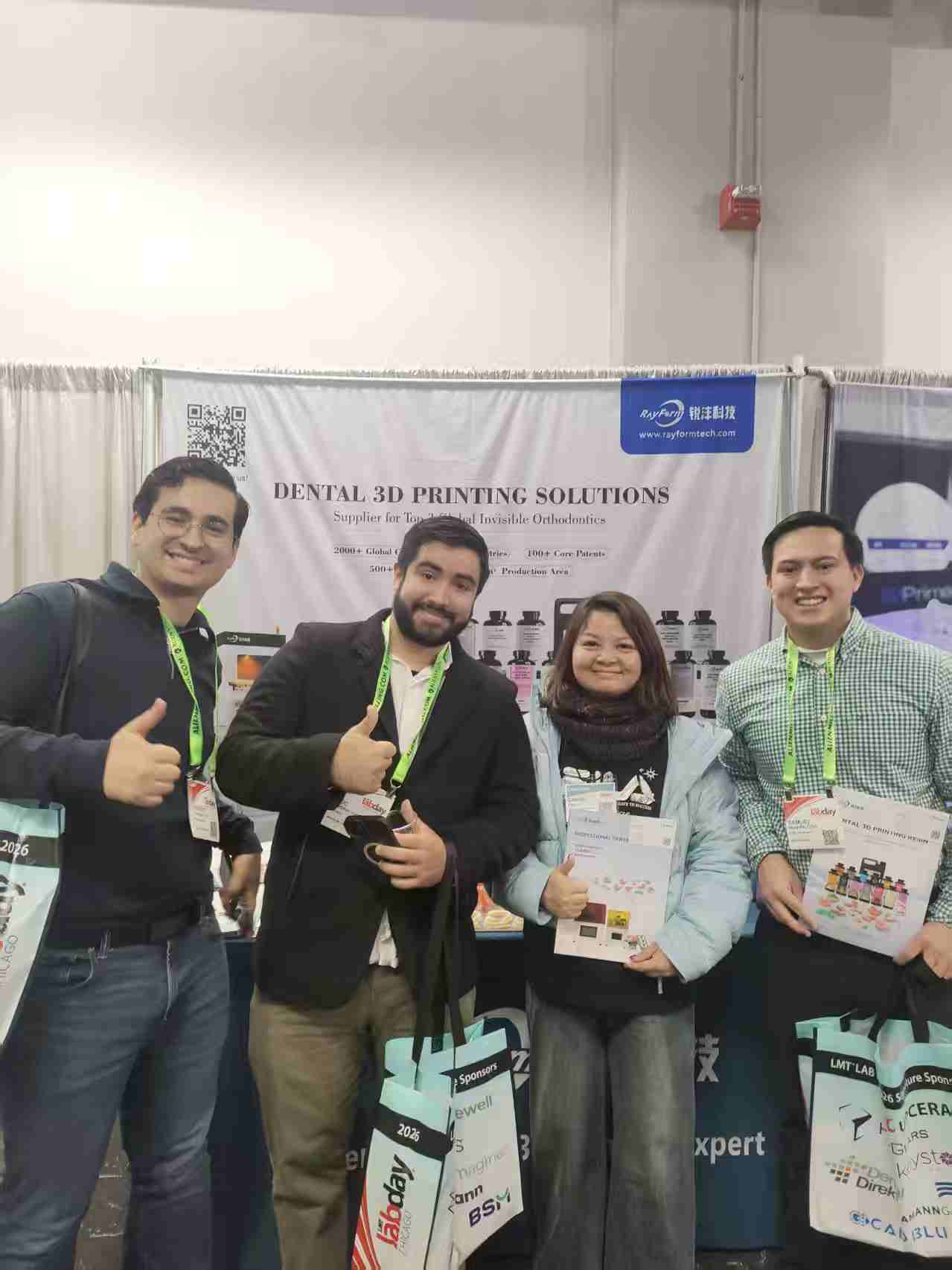
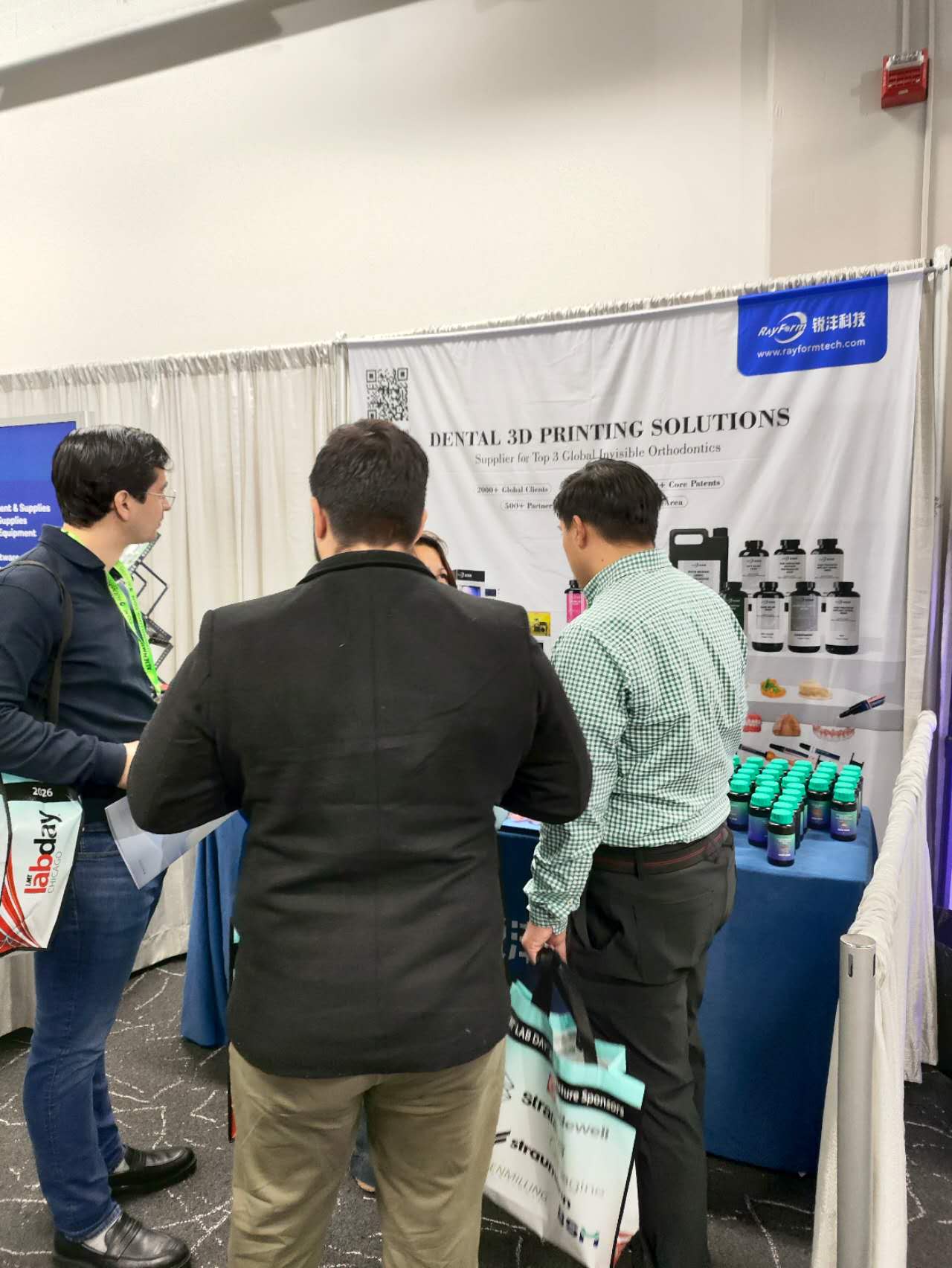
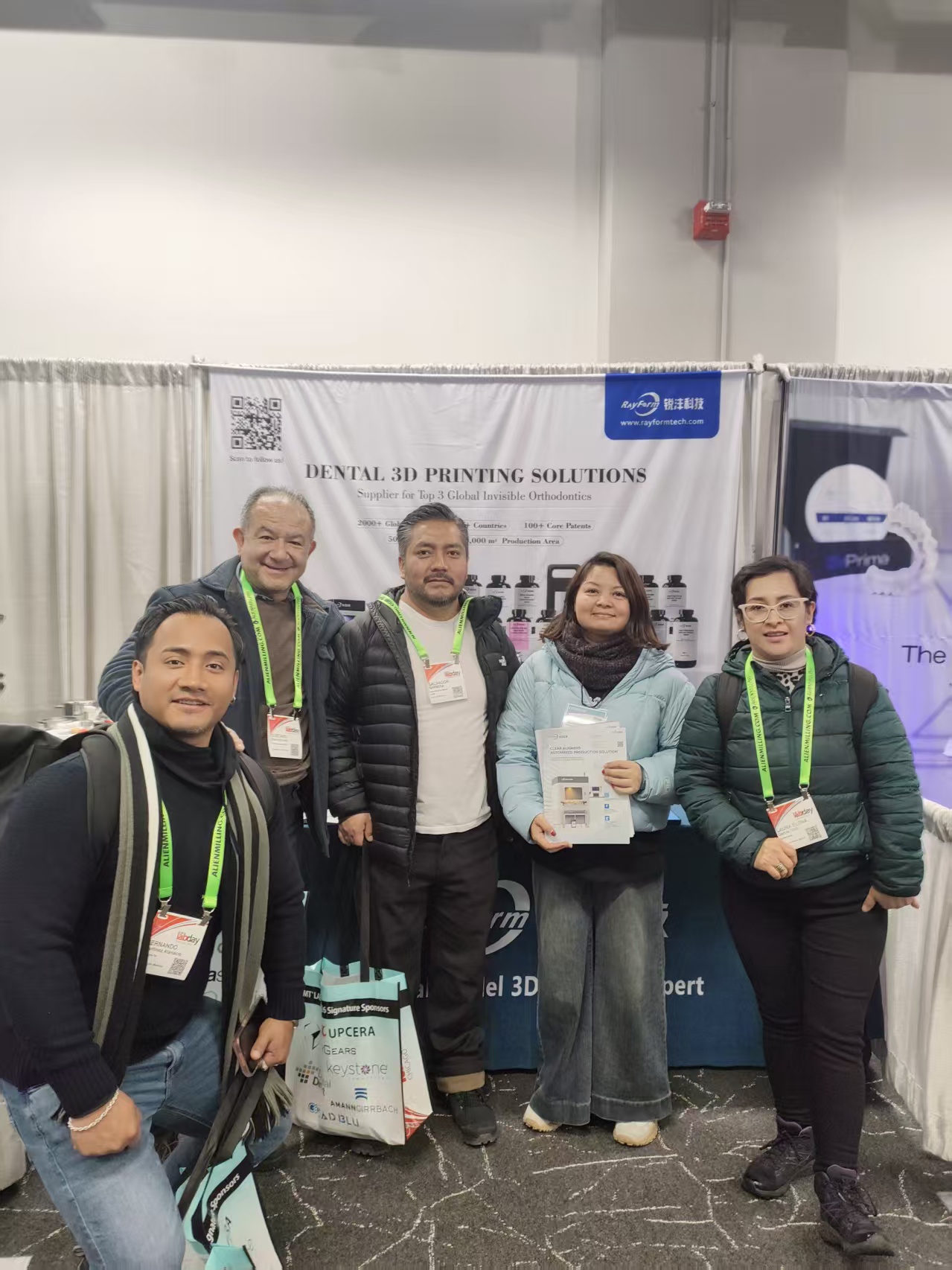
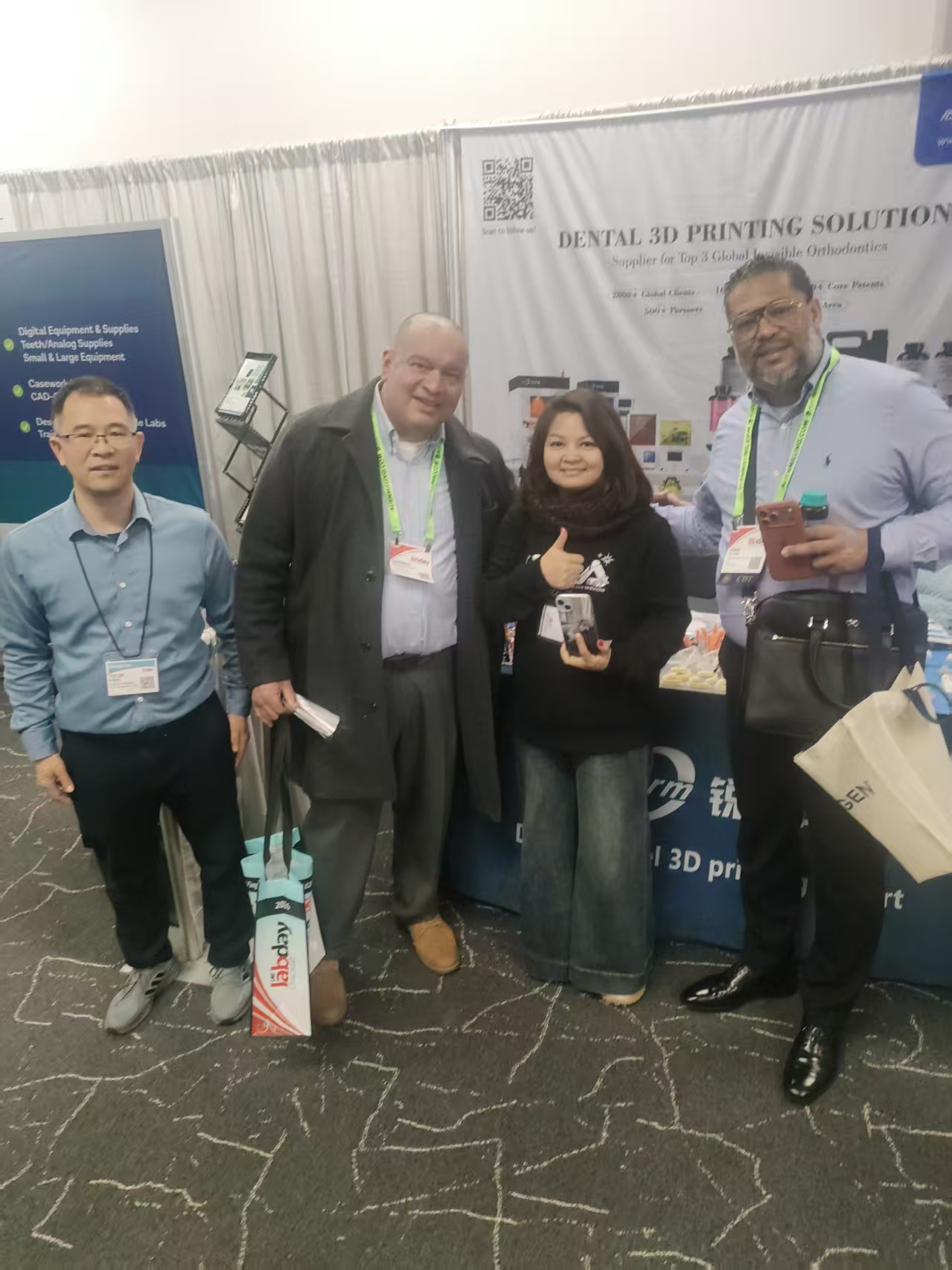
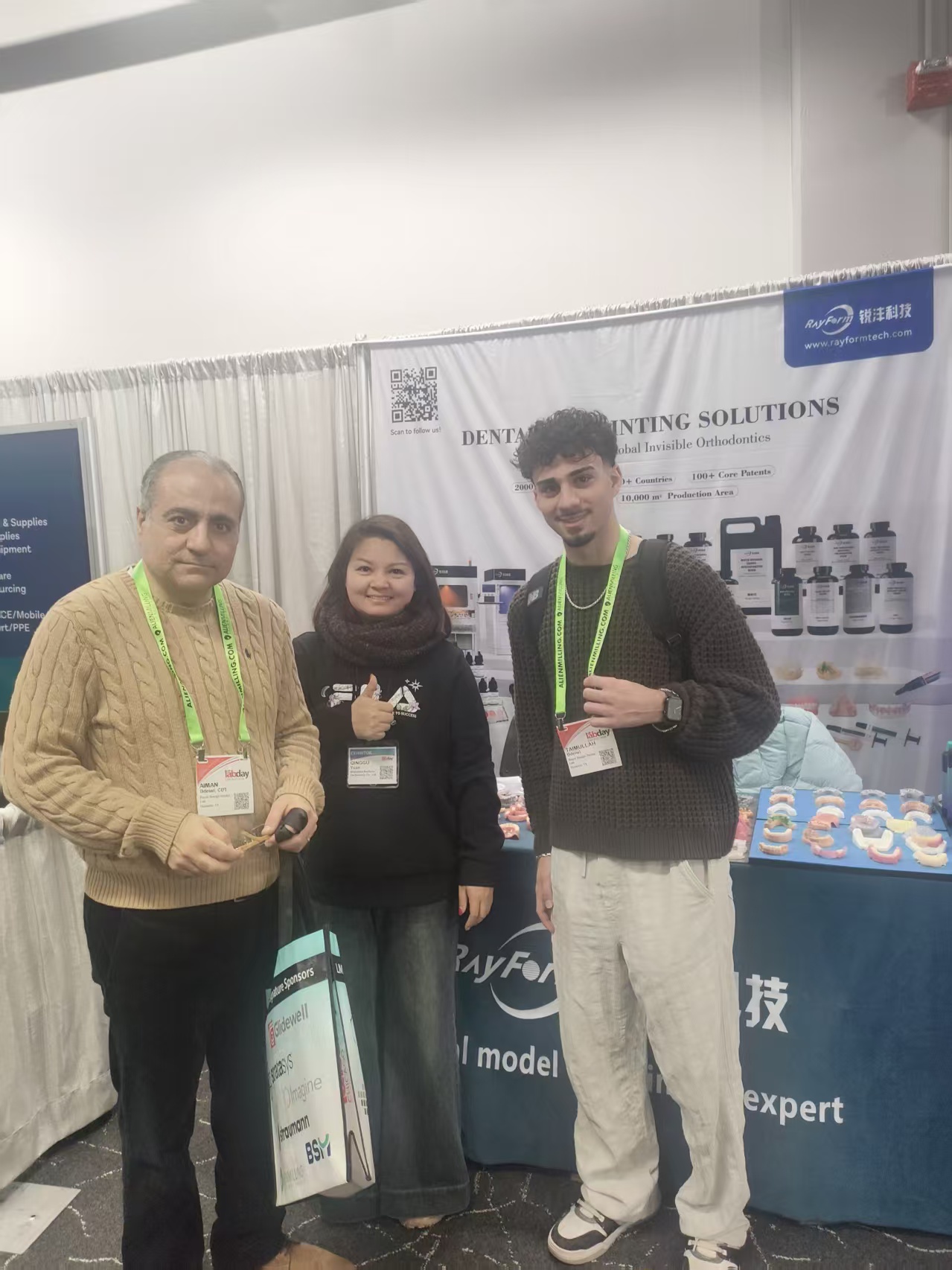
Team & Customer Photo Wall
Rayform team photos with customers and partners at Booth M-28, Hyatt Regency Chicago.
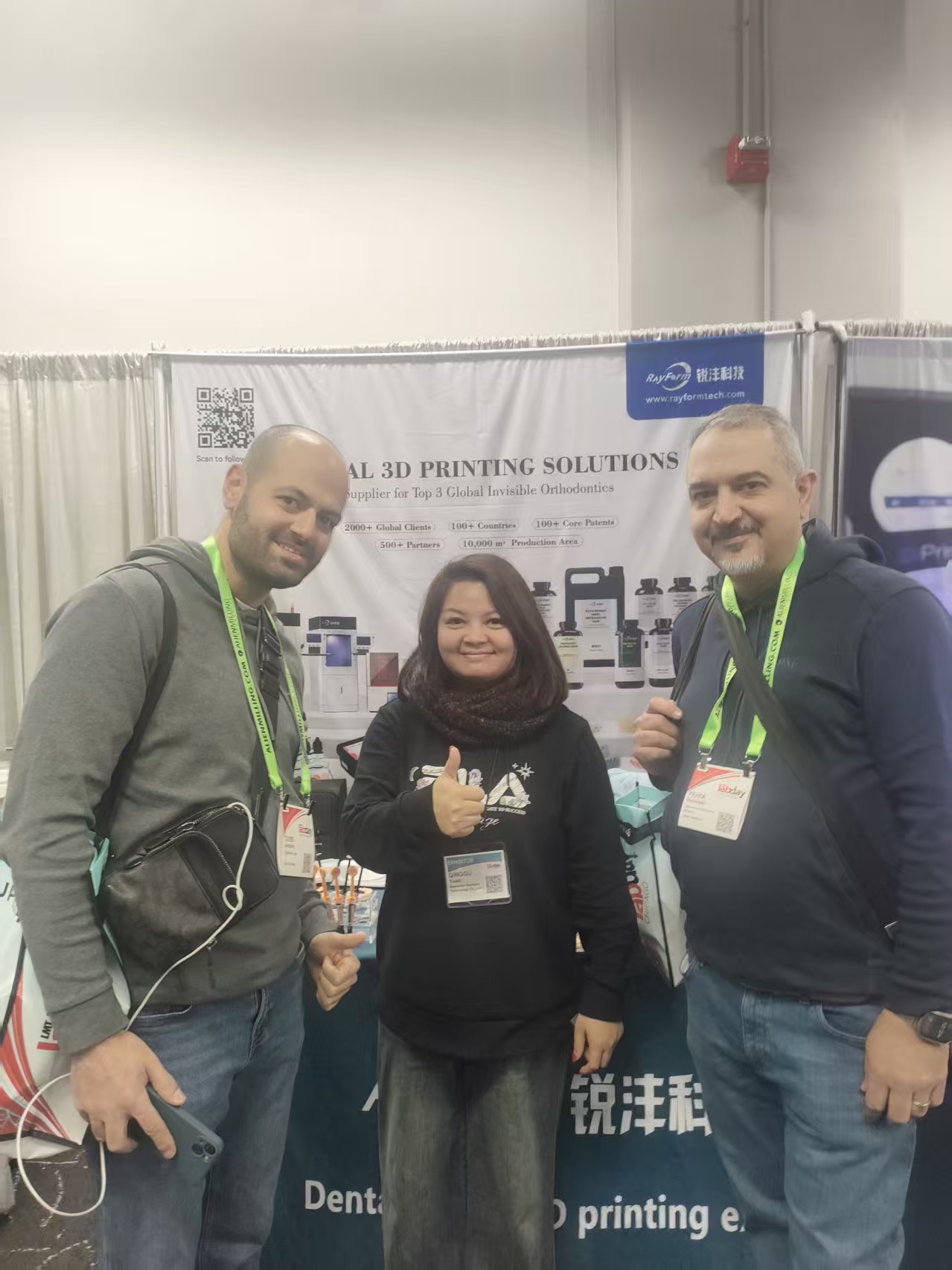
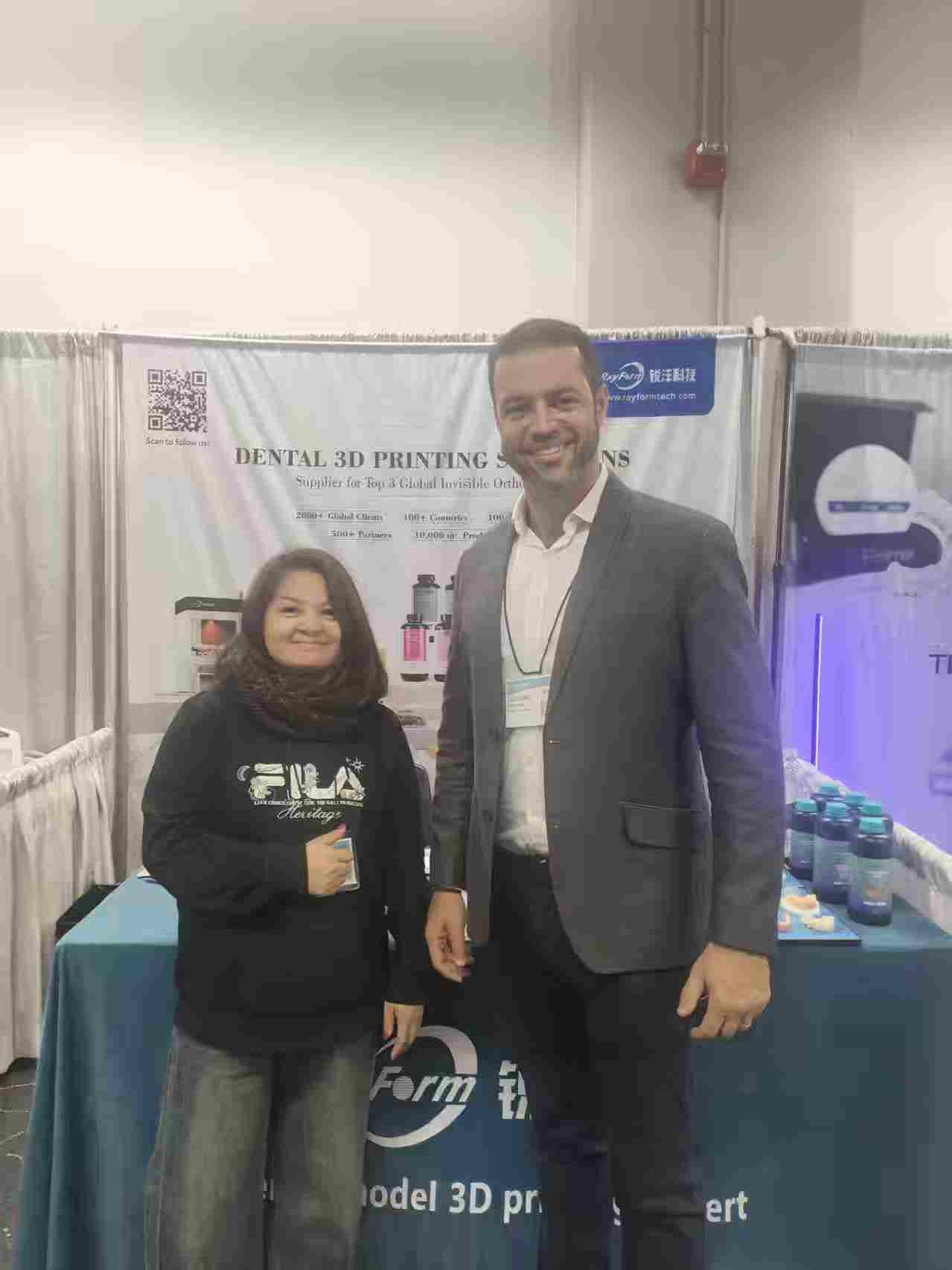
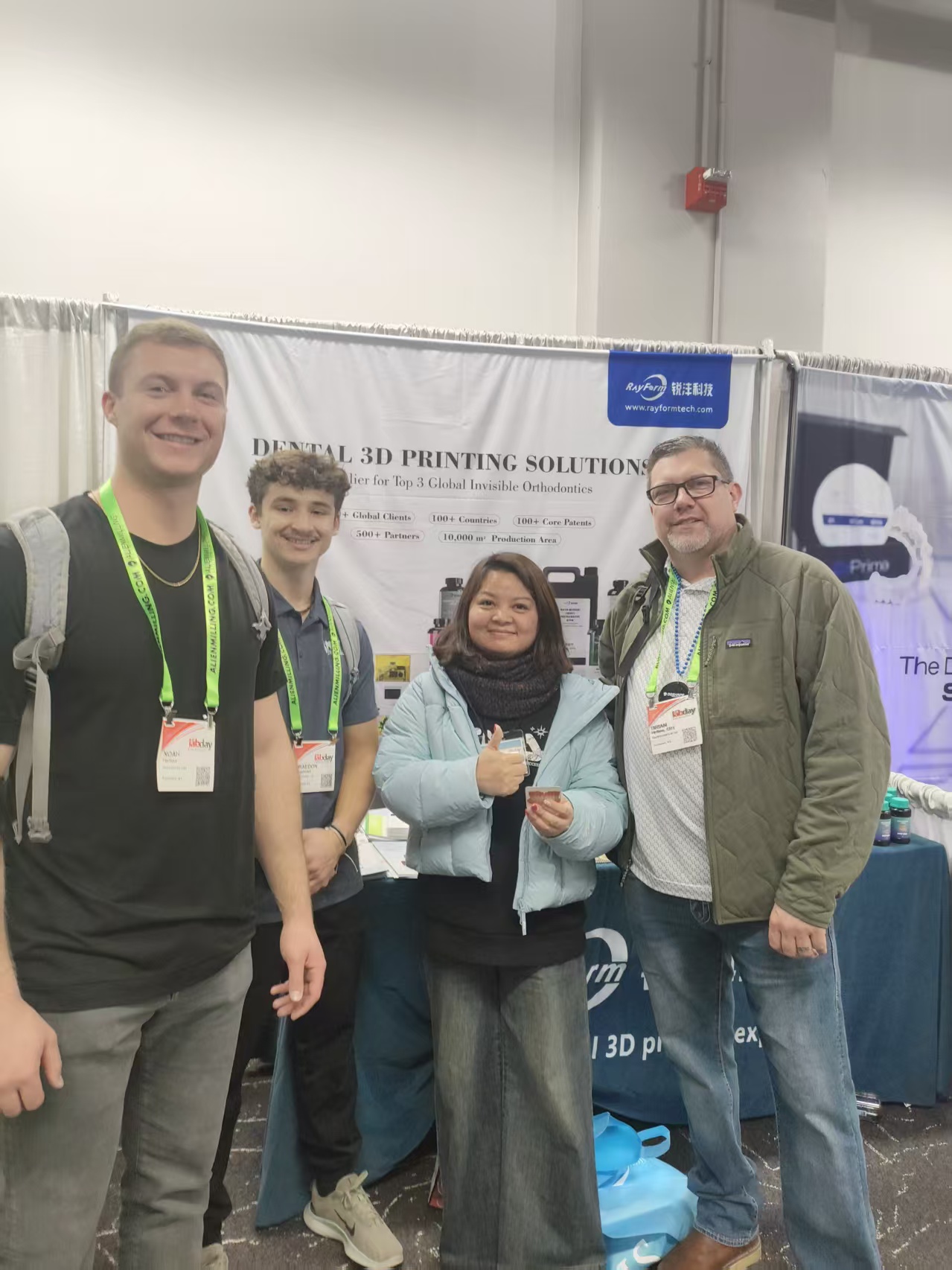
Rayform at Lab Day Chicago: Booth M-28 Highlights
Among the many exhibitors, Rayform (at Booth M-28 in the East Exhibit Hall) drew attention by focusing on a crucial segment of digital dentistry – 3D printing materials for dentures. Rayform, a Shenzhen-based manufacturer of dental 3D printers and photopolymer resins, showcased two flagship products at Lab Day: Denture Base Resin and Flexible Denture Base Resin. These materials target one of the most challenging lab applications to digitize – removable dentures – by offering resins that can produce denture bases with high strength or flexibility via 3D printing.
Rayform’s presence was not just about displaying resin bottles on a shelf; the team emphasized an end-to-end workflow solution. They demonstrated how their resins come with validated printer parameter settings, post-processing protocols, and quality control checklists to help labs achieve consistent results. Visitors could see and handle printed samples, including full arch denture bases and flexible partials, while discussing practical questions like bonding teeth to printed bases, achieving proper fit, and ensuring long-term durability. By focusing on the “materials + process” package, Rayform aimed to show labs that moving to 3D printed dentures can be predictable and repeatable – not an experimental leap. Below, we look at each of the Rayform resins featured:
Denture Base Resin – High-Impact Digital Dentures
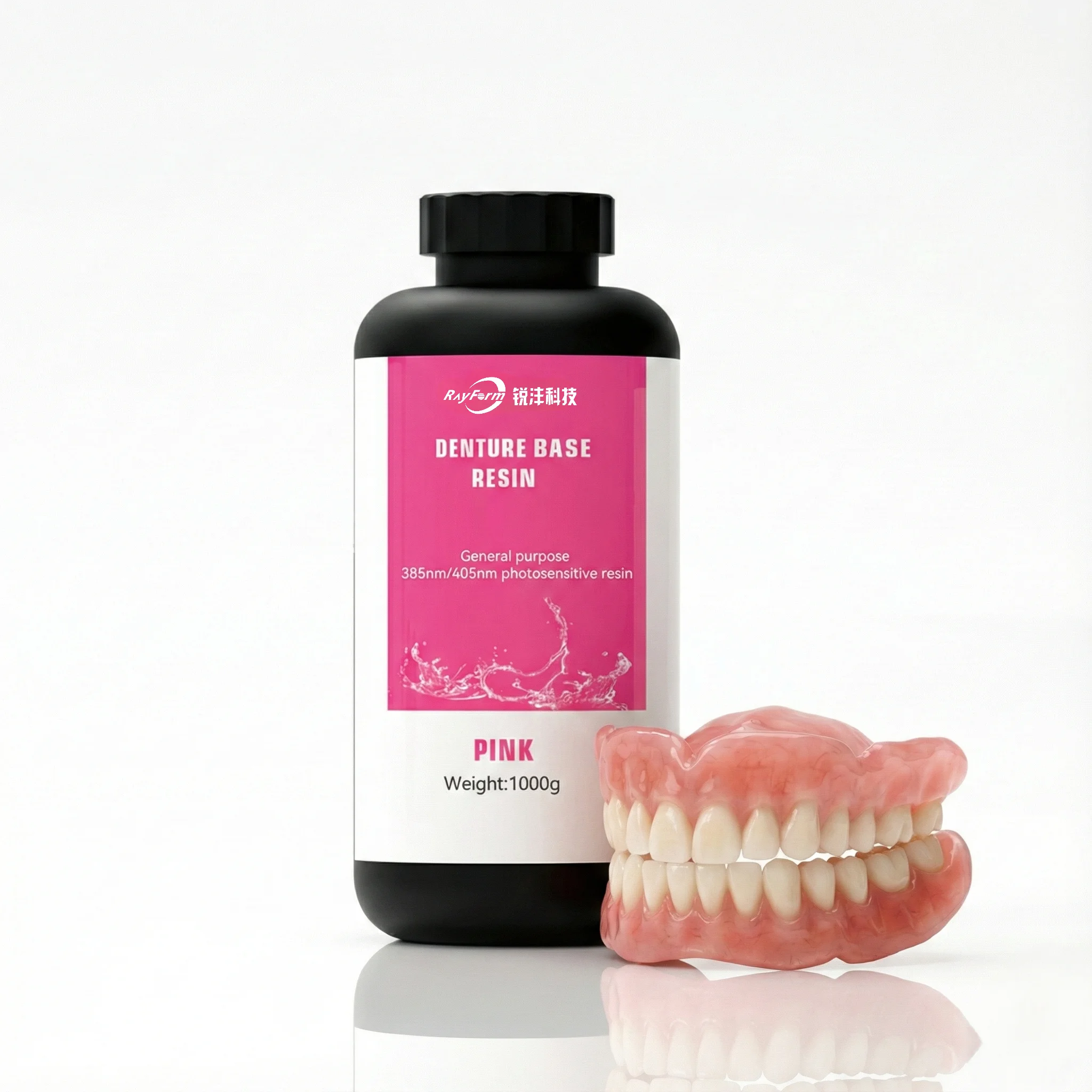
Rayform Denture Base Resin (Pink) – Rayform’s biocompatible Class IIa resin for printing durable full denture bases. At Lab Day, Rayform highlighted that this material enables labs to produce denture bases with high hardness and impact strength comparable to traditional acrylic dentures, but with the precision and efficiency of digital fabrication. According to the product specifications, the resin is formulated for reliable printing and long-term durability, making it suitable for removable denture prosthetics that must withstand daily wear[7].
In Chicago, technicians who examined the printed denture samples noted the resin’s rigidity and smooth finish – important for patient comfort and fit. Rayform’s Denture Base Resin prints in a standard pink shade and can be post-processed (washed and light-cured) to a hardness and strength that meet ISO standards for denture materials. Attendees were particularly interested in the resin’s “high-impact” claim, as drop tests and flexural strength are critical measures for denture bases. Rayform representatives explained that their resin’s chemistry yields a tough, fracture-resistant base, helping reduce the risk of denture breaks. In an industry where Dentsply Sirona’s Lucitone Digital Print resin has set a benchmark for impact resistance and clinical success[8], Rayform positioned its Denture Base Resin as a competitive alternative for labs seeking an open-material, printer-agnostic solution. By offering a denture base material that can be used on 385nm or 405nm 3D printers (LCD/DLP), Rayform caters to labs wanting to leverage their existing printers for denture production. Overall, the Denture Base Resin garnered interest as a potential enabler of fully digital denture workflows, allowing labs to print bases in-house and skip some of the labor-intensive steps of traditional flask-and-pack denture processing.
Flexible Denture Base Resin – Next-Gen Flexible Partials
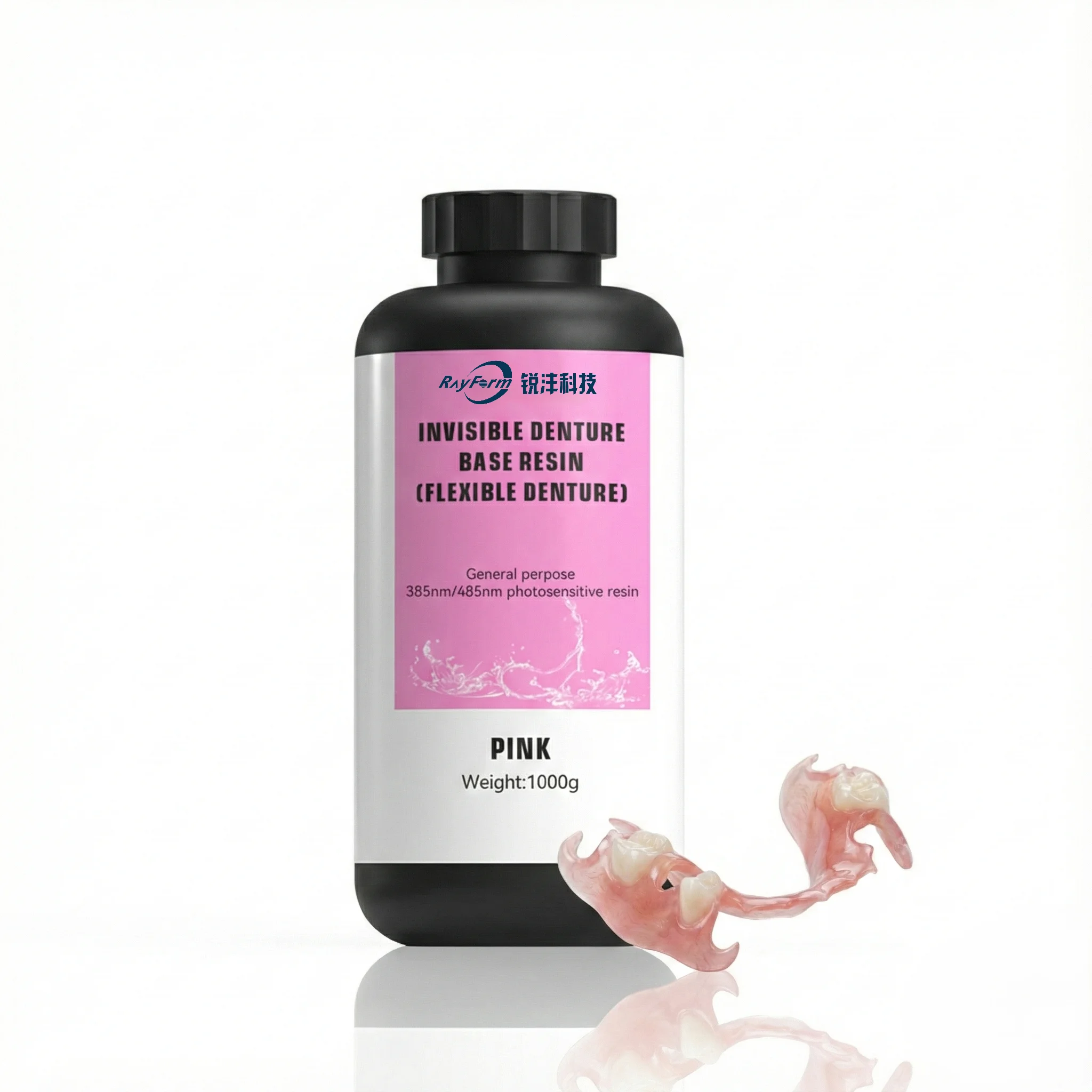
Rayform “Invisible” Denture Base Resin (Flexible Denture) – a unique resin designed for 3D printing flexible partial denture bases. Rayform demonstrated how this material addresses a growing demand for digital flexible partials, often called “invisible dentures,” which historically were made from injectable nylon materials. The resin prints a pink, gum-colored base with a Shore D hardness around 75, resulting in a semi-rigid but bendable denture base suitable for partial dentures or unilateral flippers[9].
When cured, the material has enough toughness to support denture teeth but also flexes slightly for patient comfort and easy insertion. Rayform’s team explained that this allows labs to produce removable partial dentures that snap in comfortably and won’t easily crack, combining the benefits of a rigid acrylic (precision fit, polishability) with the patient comfort of a flexible base. According to an independent product description, flexible denture base resins are ideal for filling gaps from missing teeth while being gentle on the gums – “the soft composition ensures easy wear and removal” for patients[10].
At the booth, Rayform showed a printed partial denture framework made with the Flexible Denture Base Resin, which visitors could twist slightly to feel its resilience. The resin’s slight translucency also contributed to a more natural-looking “invisible” partial, blending with the patient’s gum tissue. Technicians in attendance were intrigued by the possibilities: no more metal clasps (as flexible bases can engage undercuts for retention) and a digital design process that can be far quicker than traditional cast frameworks or thermoplastic injection. Rayform emphasized that, like their regular denture resin, the flexible resin is biocompatible and formulated for consistency (so labs can dial in parameters and expect the same results batch after batch). Given that another manufacturer, Graphy (from South Korea), recently introduced what they call “the world’s first 3D printable flexible denture material”[11], it’s clear that Rayform is on-trend with this product. The ability to print a flexible partial denture base in-house opens new avenues for labs to expand services – and many Lab Day attendees saw it as an opportunity to offer patients more comfortable partial denture options without outsourcing or manual fabrication.
Beyond the products themselves, Rayform’s booth conversations often revolved around workflow optimization. Company representatives shared practical advice on reducing reprints and improving yield: for example, how defining a “parameter window” (a range of exposure settings that consistently works) can cut down on trial-and-error, and how a simple post-processing SOP for washing, drying, and curing prints ensures that results stay uniform across different technicians or shifts. This focus on repeatable production resonated with lab managers who know that consistency is king when scaling up digital production. Rayform even provided documentation on traceability – logs and QC checklists labs can use for each print batch – which is crucial when labs deal with regulatory compliance or just internal quality assurance. In essence, Rayform positioned itself not just as a resin vendor but as a partner in implementing end-to-end digital denture workflows. This approach aligns with their broader philosophy (as stated on their website): what they ultimately deliver is “predictable output, stable yield (less rework), and repeatable workflows” for labs[12]. The takeaway for those who visited Rayform’s booth was that adopting 3D printed dentures isn’t simply about buying a new resin – it’s about adopting a validated process that can make denture production more efficient and scalable.
Trends and Observations from Lab Day Chicago 2026
Beyond any single booth, LMT Lab Day Chicago 2026 offered a bird’s-eye view of major trends shaping dental lab technology. Several clear themes emerged from the exhibits and lectures. Here we delve into the most significant ones – from the push for seamless digital workflows, to breakthroughs in materials (especially resins), to the focus on lab production efficiency – all of which framed the context for Rayform’s offerings and the industry at large.
Digital Workflow Integration Becomes Paramount
One dominant theme was the continued integration of digital workflows connecting clinics and labs. In the past, labs often adopted digital tools (like scanners, CAD, printers) in isolated steps. Now the emphasis is on end-to-end connectivity – ensuring that the dentist’s intraoral scan, the lab’s design, and the manufacturing process flow together seamlessly. A prime example at Lab Day was the announcement by DEXIS (a leader in imaging and scanning solutions) of new enhancements to its lab-to-clinic collaboration platform during the Chicago events[13]. DEXIS introduced a cloud-based system enabling labs and dental offices to share digital case files, designs, and updates in real-time with greater ease. They stressed a “software-first, platform-driven ecosystem” focused on openness and integration, highlighting features like multi-user access for large labs and plug-and-play compatibility with various lab management software[13][14].
In seminars, experts showcased how comprehensive digital workflows can improve outcomes. One session on advanced digital dentures demonstrated how a case could go from scan to design to printed base and teeth with minimal manual intervention, thanks to software integration and AI-driven design suggestions. Indeed, AI in lab software was another talking point – for instance, multiple vendors displayed AI-powered CAD tools for automating crown and denture designs, marking an inflection point where lab AI is moving from buzzword to practical tool[15][16]. The message was clear: labs that integrate their hardware, software, and communication channels stand to gain speed, accuracy, and collaboration benefits that are impossible in a fragmented workflow.
A notable development underscoring integration was Formlabs’ announcement of an open material mode for their printers[17]. By 2026, this trend is in full swing: openness and interoperability are winning out. For labs, this is a welcome shift: it means greater flexibility to choose the best materials (such as Rayform’s resins) and to integrate new solutions without being locked into one vendor.
Advancements in 3D Printing Materials (Especially Resins)
The exhibition floor also confirmed that 3D printing materials continue to evolve at a rapid clip. Biocompatible, high-strength resins were front and center in many booths. According to industry reports, “modern dental 3D printers work with specialized resins that are biocompatible and extremely durable, enabling final-use products… strong, lifelike dental crowns and bridges that can withstand biting forces”[18].
At Lab Day 2026, one of the most buzzed-about demonstrations was Graphy Inc.’s showcase. Graphy unveiled a process for “Simultaneous Multi-Resin Printing” of monolithic full dentures – printing the denture base and teeth together in one job[19]. This kind of innovation points to a future where denture fabrication could be almost fully automated.
Another trend in materials is the diversification of specialty resins for every niche: model resin, splint resin, indirect bonding tray (IBT) resin, gingiva mask resin. European manufacturers like Dentona showed off broad resin portfolios covering everything from ultra-hard models to soft gingival masks[20].
Resin innovation also dovetailed with printer innovation in terms of throughput. Companies like Carbon and SprintRay highlighted how their new printers and resin formulations can drastically cut printing times. In one example, it was noted that advanced systems can output dental models “roughly 10× faster” than earlier methods[21].
Focusing on Lab Needs: Efficiency, Consistency, and ROI
Amid the excitement of new tech, the practical needs of dental labs remained a central theme. Three recurring priorities were production efficiency, consistency/quality, and return on investment (ROI).
- Efficiency and Throughput: Labs operate on tight schedules. Automation in processes like support removal, washing, and curing was highlighted. Labs are looking not just at shiny equipment, but at how it fits into a lean production workflow.
- Consistency and Quality Control: Making digital production predictable and repeatable is crucial. Tips like locking in a printing “parameter window” and using SOPs (Standard Operating Procedures) were highly emphasized. Digital methods can actually improve consistency when done right, resulting in fewer errors and adjustments[22][23][24].
- ROI and Business Case: A blog from LuxCreo summarized that 3D printing yields “shorter turnaround times, greater labor productivity, higher yield, and lower costs”[25][26]. Attendees heard similar messages: flexibility, higher throughput, and less waste all contribute to ROI[26][27].
The consensus of those who have walked the path was reassuring: done right, digital workflows can reduce errors, save time, and make your lab more competitive[28][29].
Why Lab Day Chicago Matters for Dental Labs
If you’re a dental lab decision-maker, you might wonder: is attending Lab Day Chicago really worth it? The resounding answer is yes. First and foremost, Lab Day is a concentrated dose of learning and discovery. Secondly, Lab Day is about networking and community. With thousands of attendees[2], you’re likely to meet peers who have tackled similar challenges.
Another major draw is the education program. LMT Lab Day Chicago offers dozens of seminars and workshops, usually at no additional cost to attendees[4]. Finally, the excitement and motivation that attendees bring back to their labs is a subtle but real benefit. As one attendee put it, “Lab Day continues its legacy as a cornerstone event for anyone committed to excellence in dental lab work and the evolving landscape of digital dentistry.”[30]
Actionable Takeaways: Adopting 3D Printing and Digital Workflows
After absorbing the highlights, here are some actionable takeaways and best practices:
- Start with a Clear Goal: Identify which part of your lab’s work can benefit most from digital technology.
- Invest in Training and SOPs: Develop an in-house standard protocol for each digital workflow.
- Ensure Materials and Equipment Compatibility: If you choose an open-material 3D printer, you’ll have flexibility to use various resins[17].
- Build a Post-Processing Station: A common rookie mistake is under-curing prints or inconsistent washing.
- Implement Quality Checks: As Rayform suggests, define acceptance criteria before chasing faster print speeds[31].
- Calculate Your ROI, Then Scale Up: Keep track of the time and cost savings.
- Partner with Reliable Vendors: Choose vendors who offer good support and updates.
Decision Checklist: Bringing 3D Printing into Your Lab
| Consideration | Checklist Questions / Action Items |
|---|---|
| Define Your Goals | Applications: Identify which cases you will 3D print first (models, dentures, splints, etc.) and why. Objective: Set a clear goal (e.g. faster turnaround, lower cost, improved quality) to measure success. |
| Equipment & Materials | Printer Type: Decide between open vs. closed material printers (open allows third-party resins[17], closed offers pre-calibrated settings). Materials: Ensure availability of biocompatible resins for your target applications and check regulatory compliance (FDA/CE). |
| Workflow Integration | Digital Input: Plan how you will receive digital impressions or designs. Software: Verify compatibility between scanner software, CAD software, and your printer’s software. Aim for minimal manual file conversions. |
| Training & Staffing | Knowledge: Designate a “digital champion” in your team. Schedule training sessions. Staffing: Allocate who will handle each step (design, print setup, post-processing). |
| Post-Processing Setup | Space & Tools: Set up a dedicated area with cleaning solution containers, curing light box, and proper ventilation. SOP: Implement a standardized post-process procedure that every operator follows. |
| Quality Control (QC) | Standards: Define acceptable criteria for printed parts. Inspection: Create a routine for QC inspection of prints. Document print outcomes and any errors. |
| Cost & ROI Analysis | Upfront Costs: Calculate total investment. Running Costs: Estimate cost per part. Savings: Track what traditional costs are avoided. |
| Scalability & Future | Throughput Needs: Consider your lab’s growth. Choose solutions that can scale. Updates: Stay informed on software updates or new materials for your system. |
FAQs: Digital Dentures, 3D Printing, and Lab Day Insights
Q1: What is LMT Lab Day Chicago, and who should attend?
Q2: How are 3D-printed denture bases different from traditional dentures?
Q3: What is a “Flexible Denture Base” and when would you use it?
Q4: Are 3D-printed dental appliances really strong and safe enough for long-term use?
Q5: What steps can a lab take to integrate a digital denture workflow successfully?
Q6: What were the most important trends at Lab Day Chicago 2026?
Q7: How does an event like Lab Day compare to other dental conferences?
Q8: What services did Rayform highlight at Lab Day?
Conclusion & Next Steps
LMT Lab Day Chicago 2026 showcased a dental lab industry in the midst of exciting transformation. Digital technologies – from 3D printers and AI design tools to new-generation resins – are empowering labs to work faster, smarter, and deliver innovative solutions like never before. The key takeaway is that adopting these advancements is not a question of “if” but “when” for labs that want to stay competitive.
If you’re ready to explore 3D printing materials or need guidance on getting started, consider reaching out for a consultation or demo. For example, Rayform’s team is available to provide resin samples, share validated print parameters, and help you evaluate how their dental 3D printing solutions can fit into your workflow. The journey to digital dentistry is ongoing – but each step you take now is an investment in your lab’s future. Here’s to staying at the cutting edge and achieving new levels of productivity and success in your dental lab!