RayForm @ AEEDC Dubai 2026:
Consistent Dental 3D Printing Workflows Over Speed
Key insights from the world’s largest dental event: Why stability,
post-processing SOPs, and validated workflows are the new standard for digital dentistry.
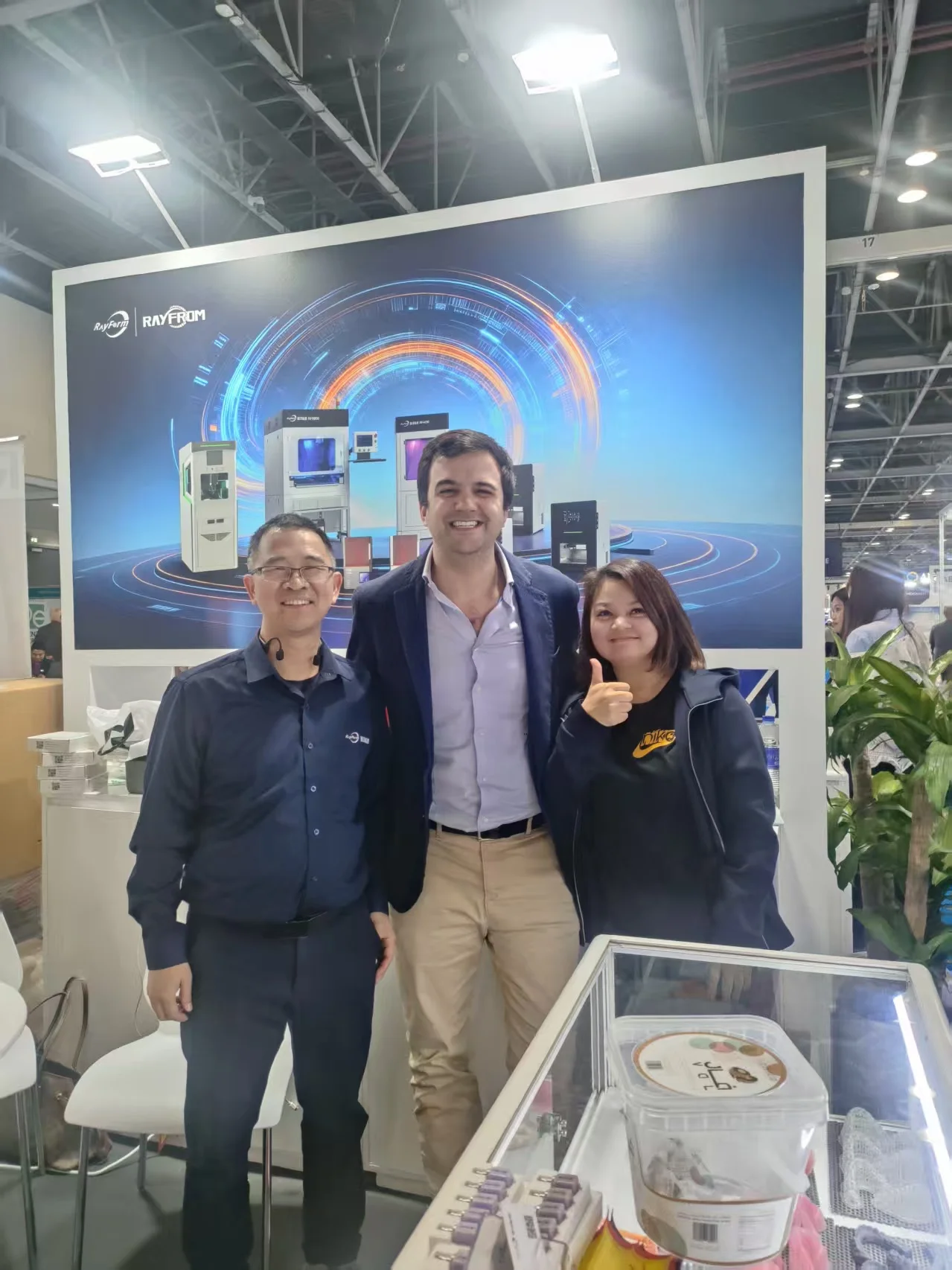
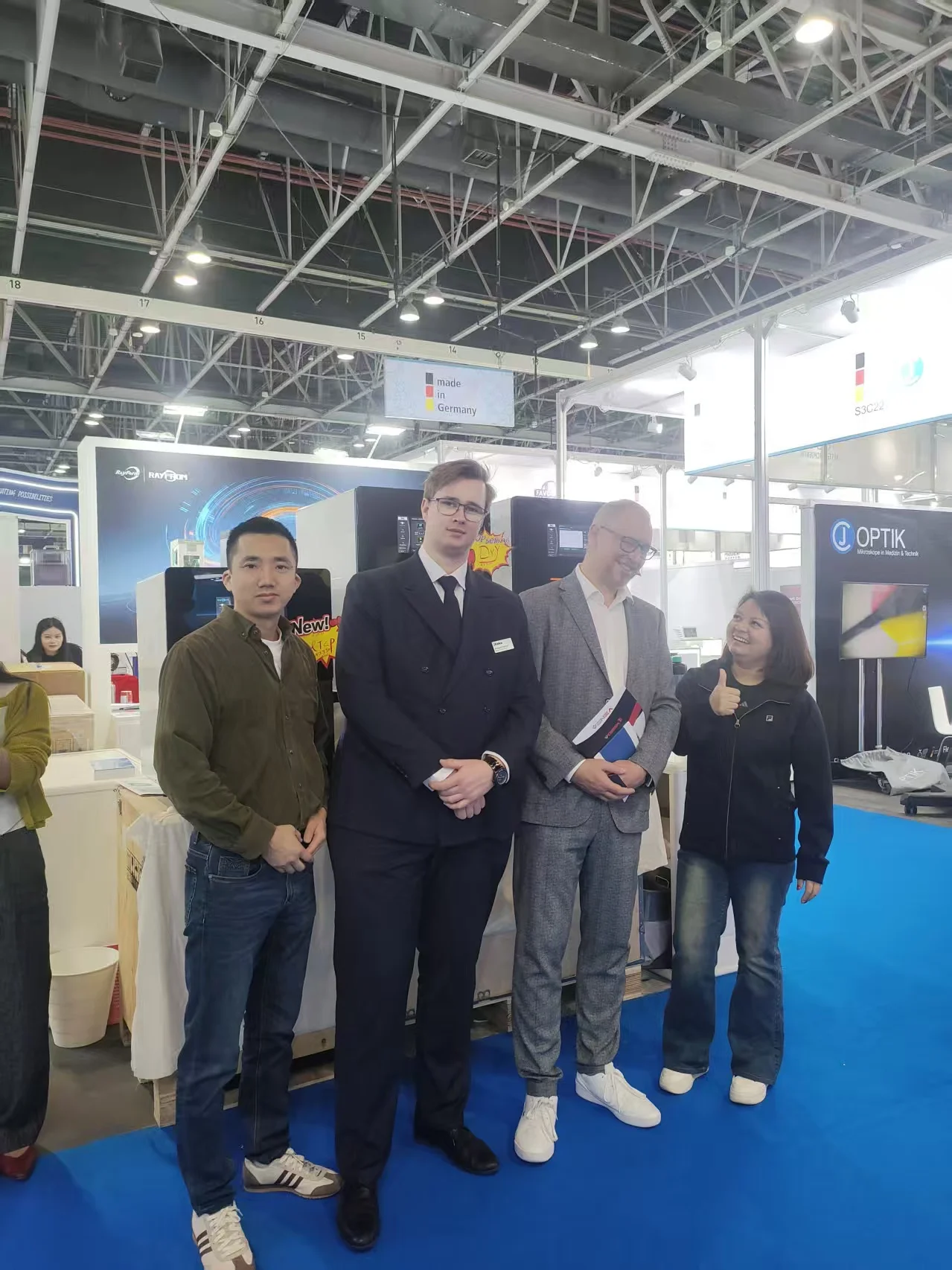
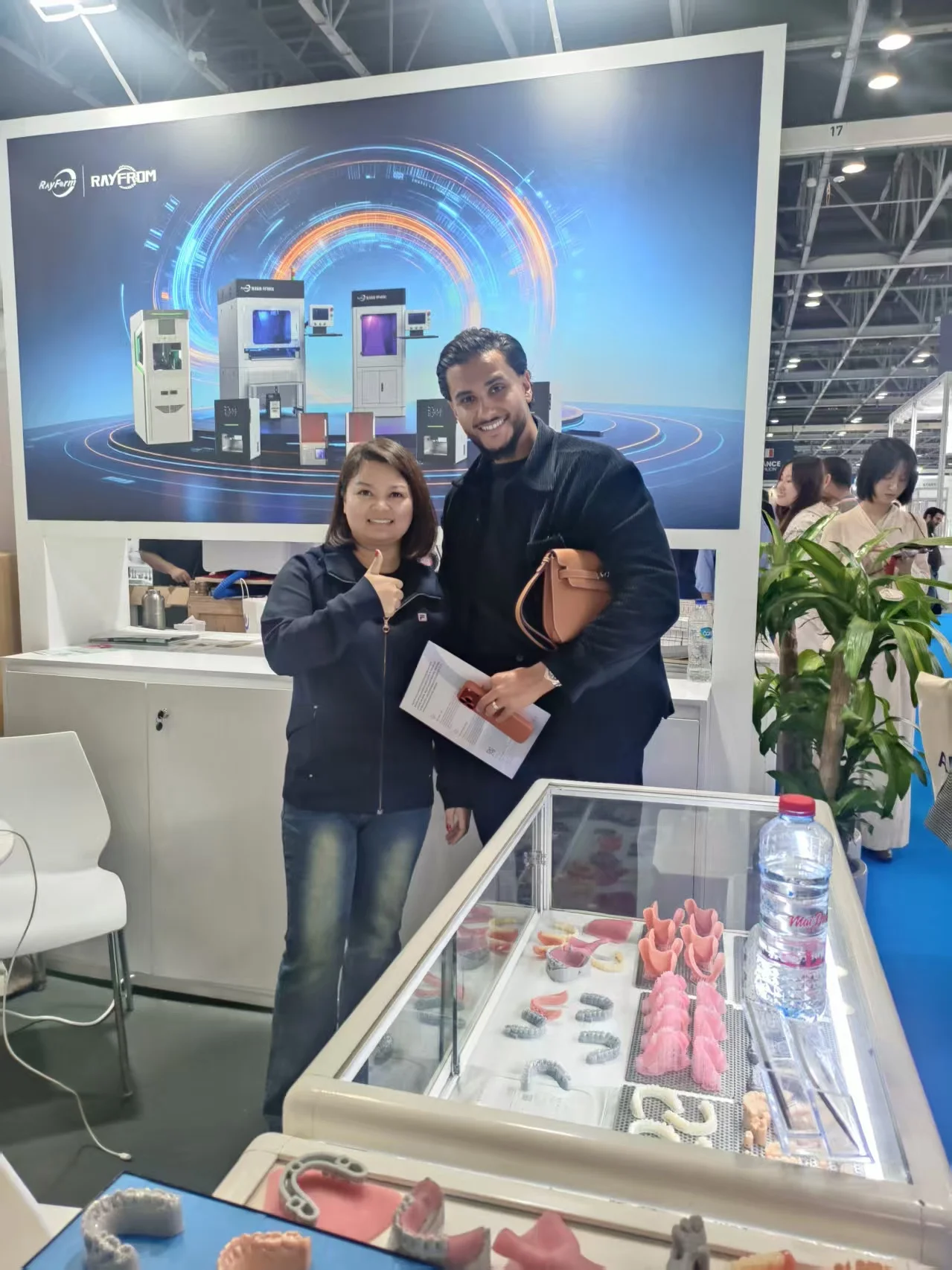
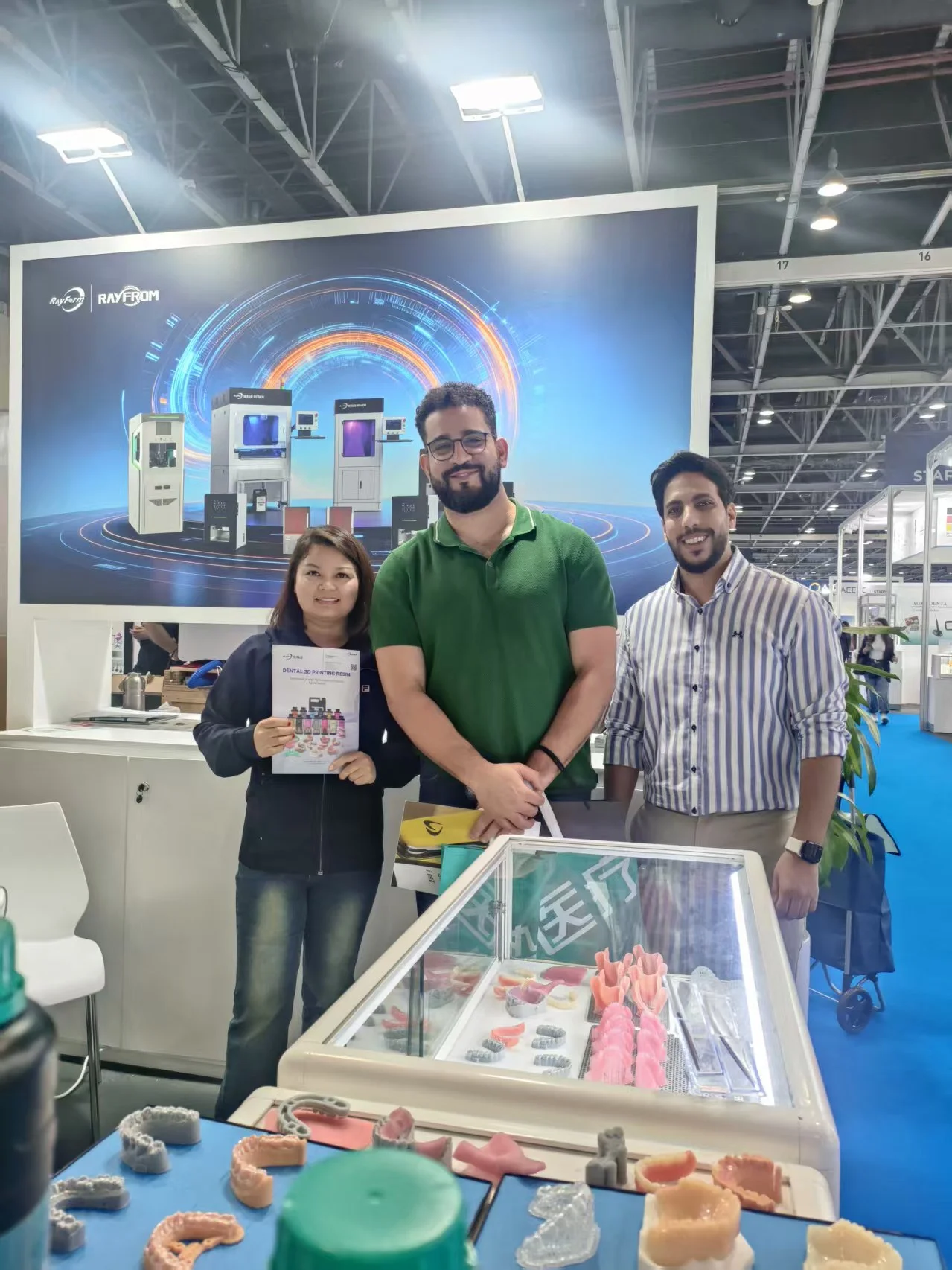
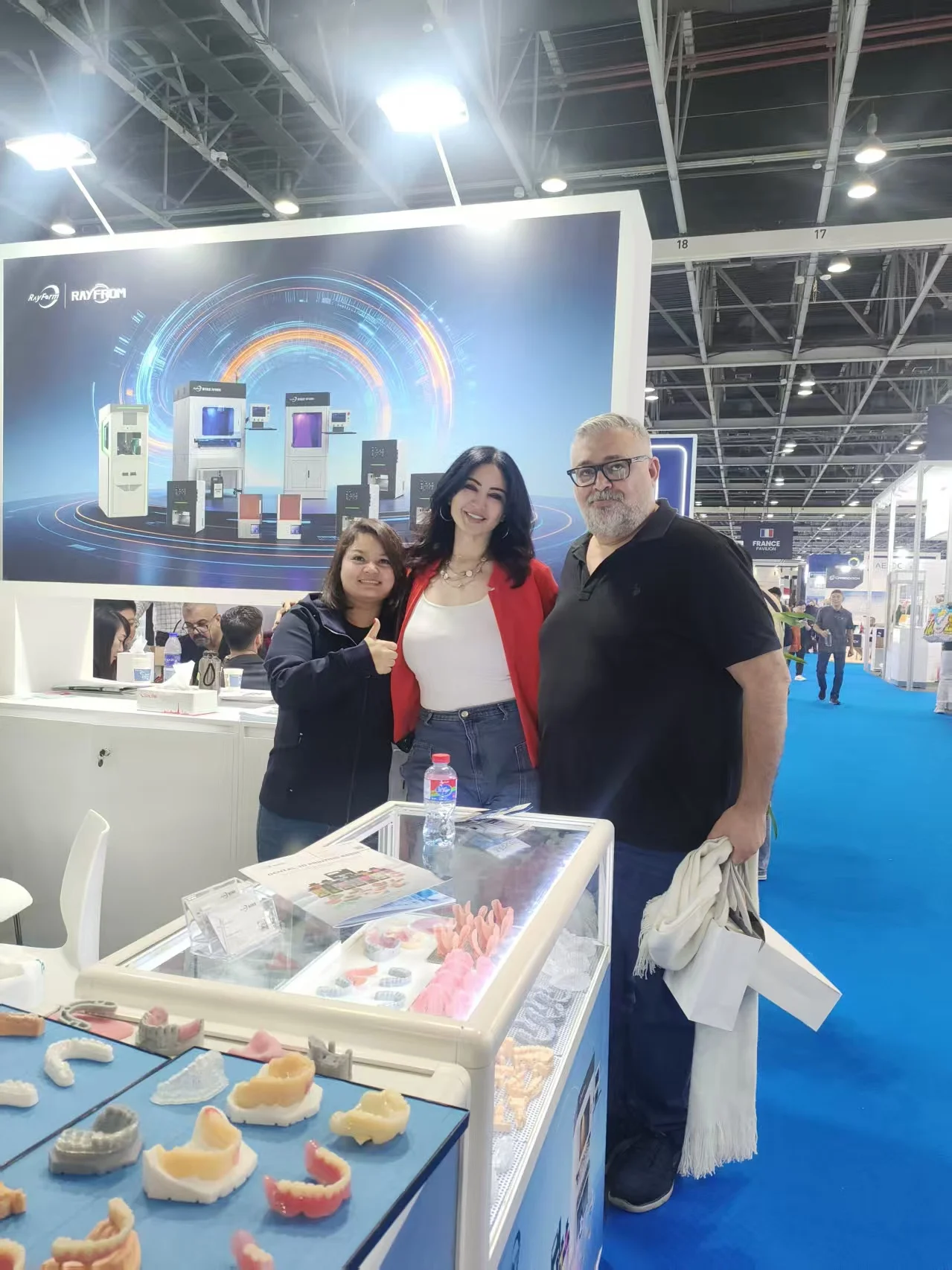
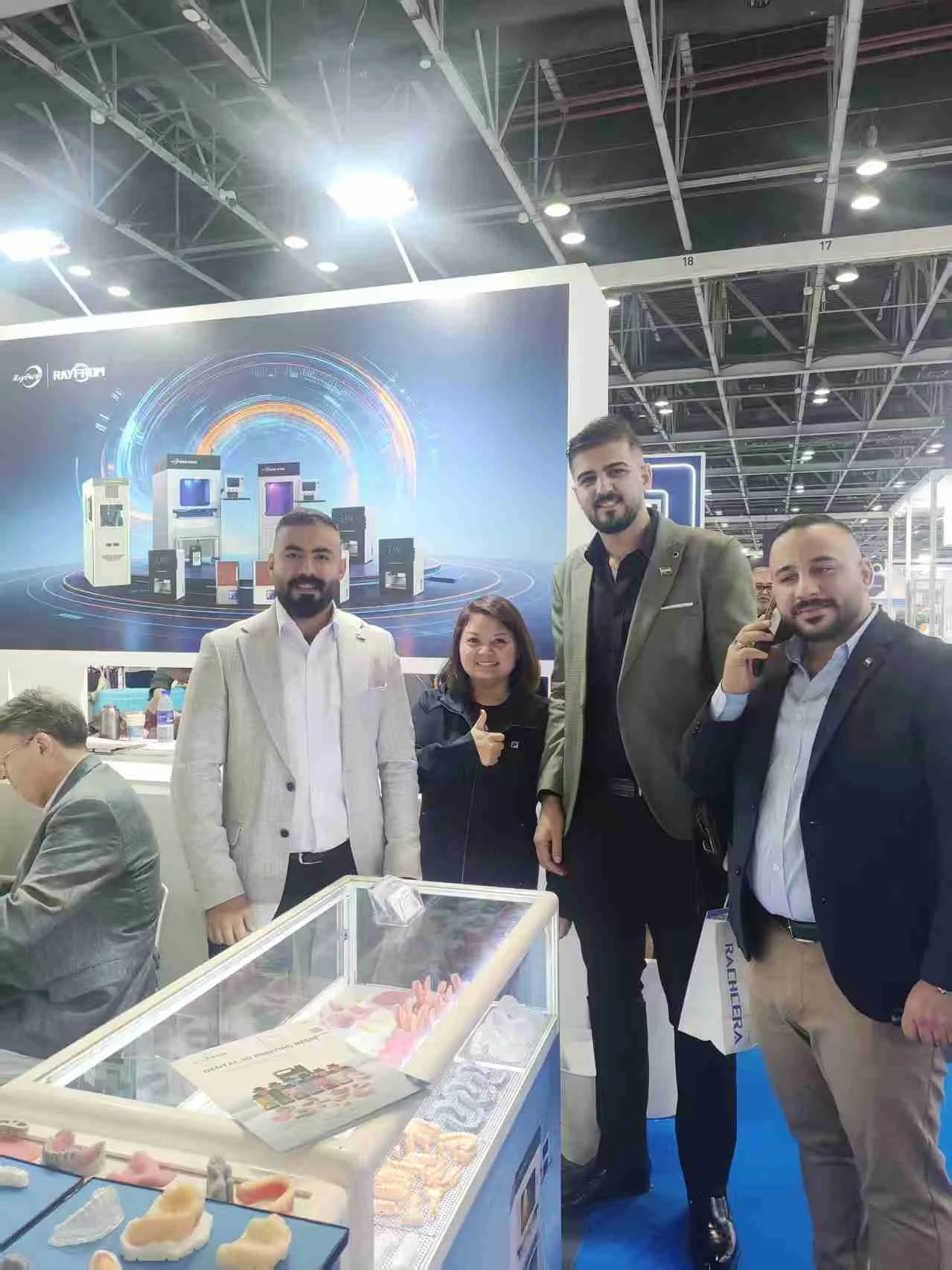
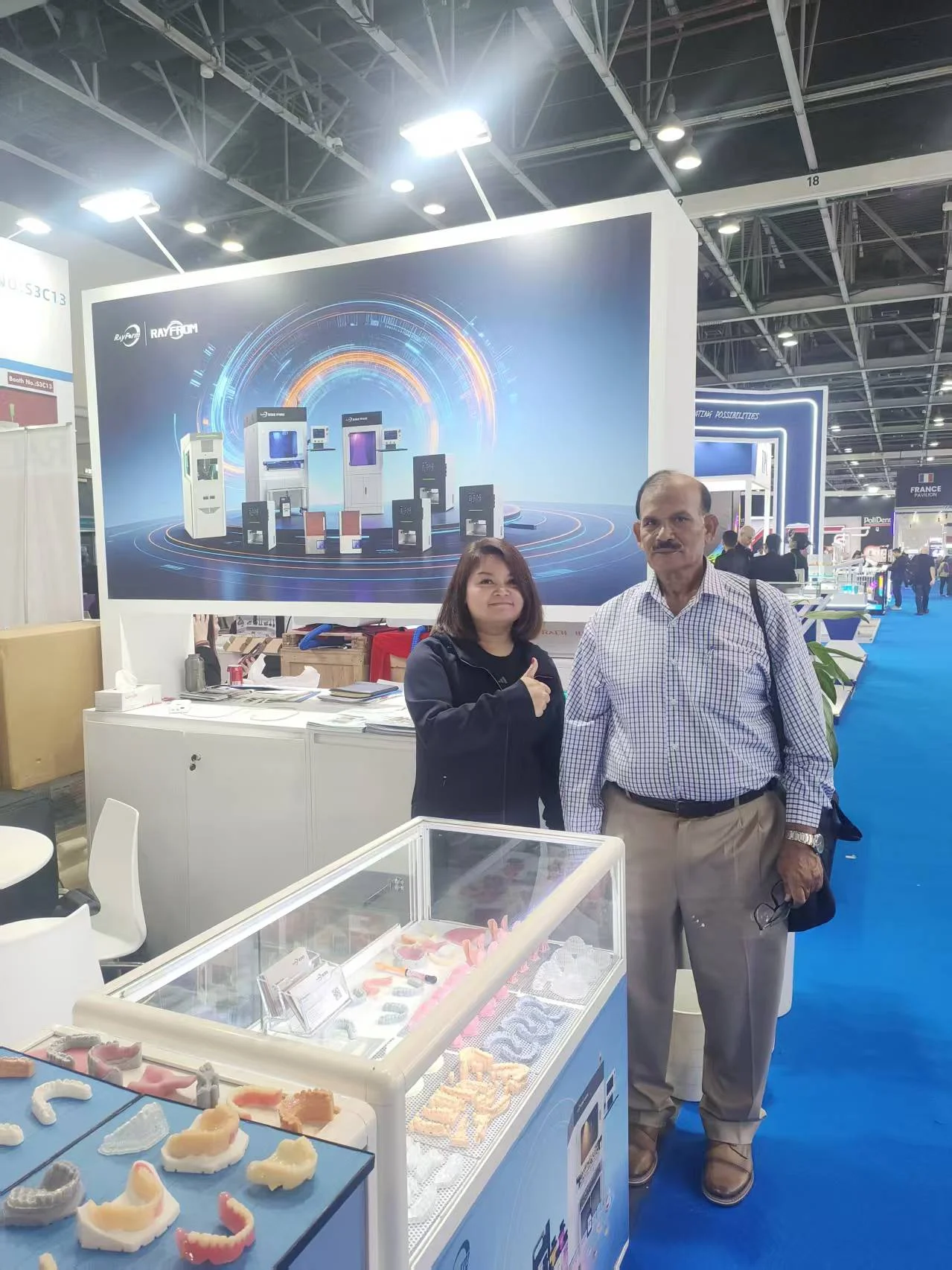
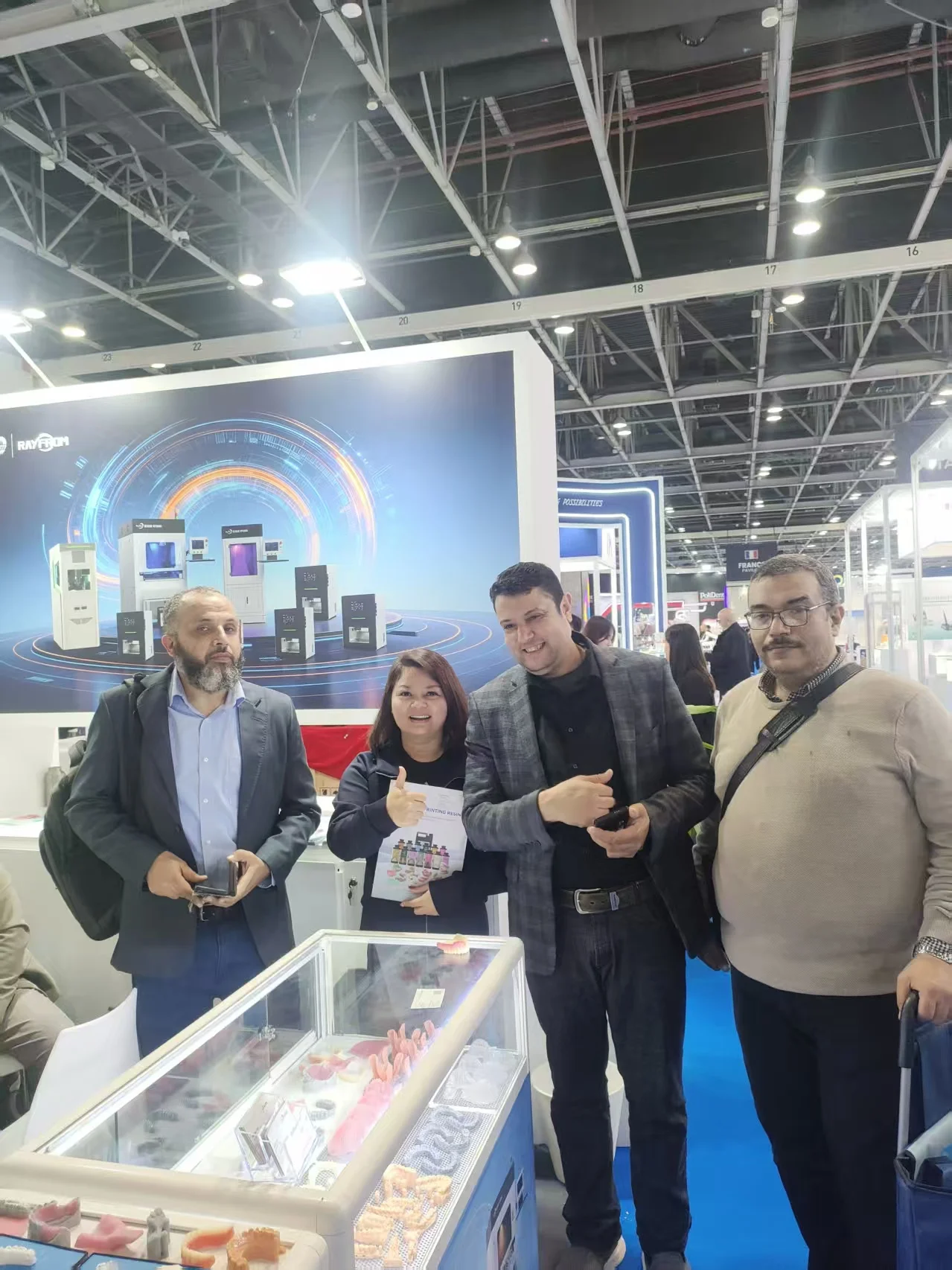
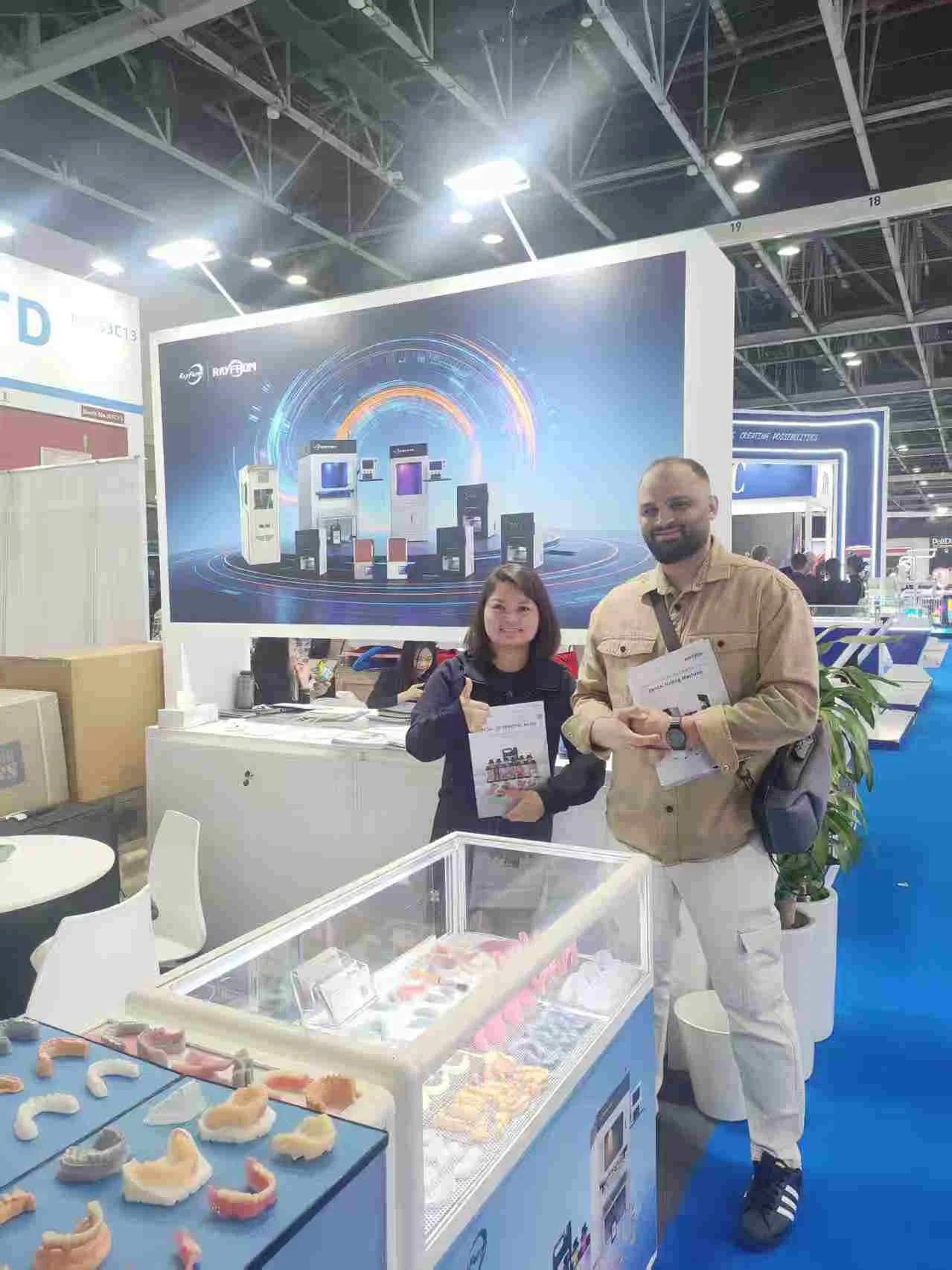
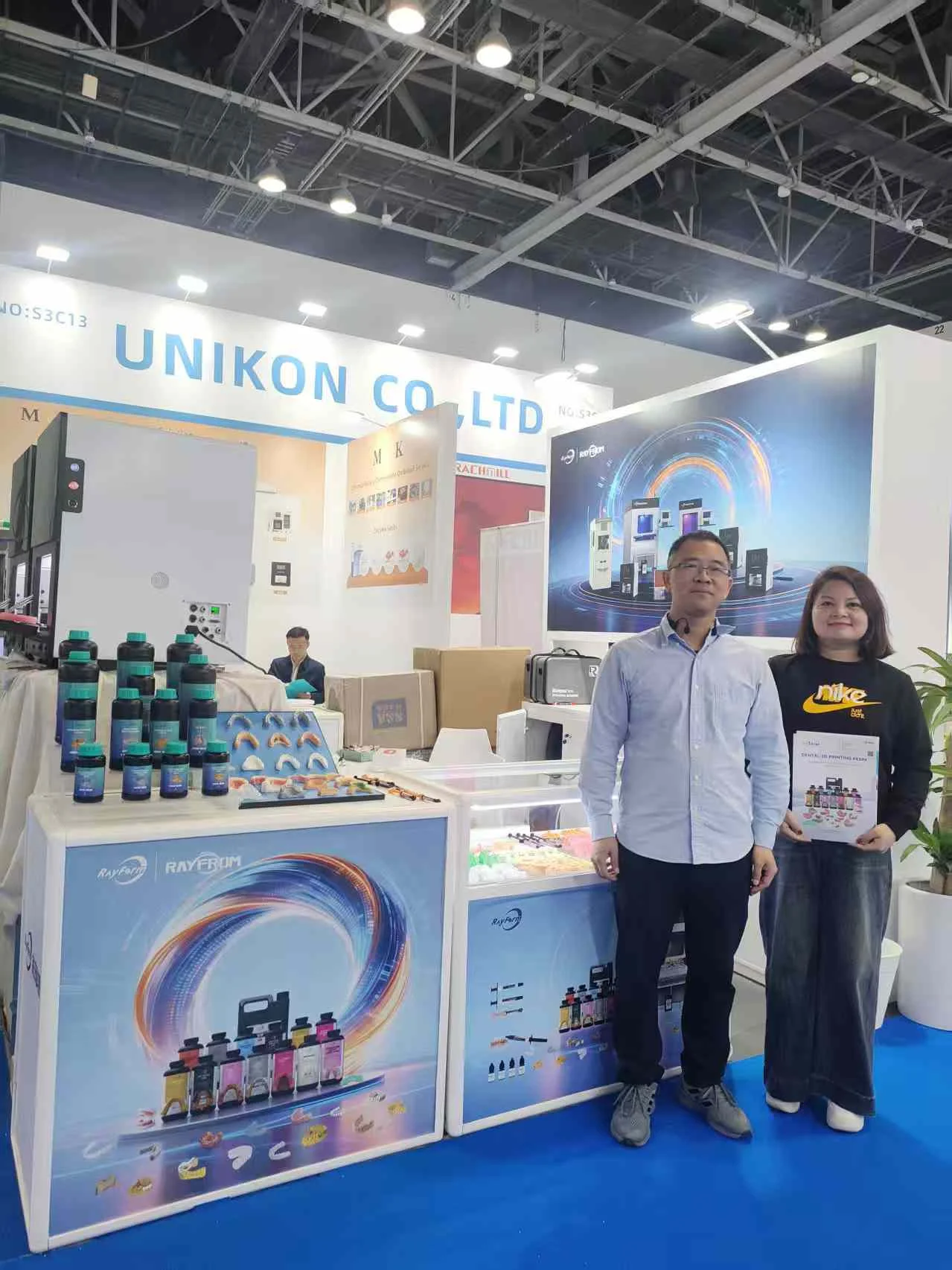
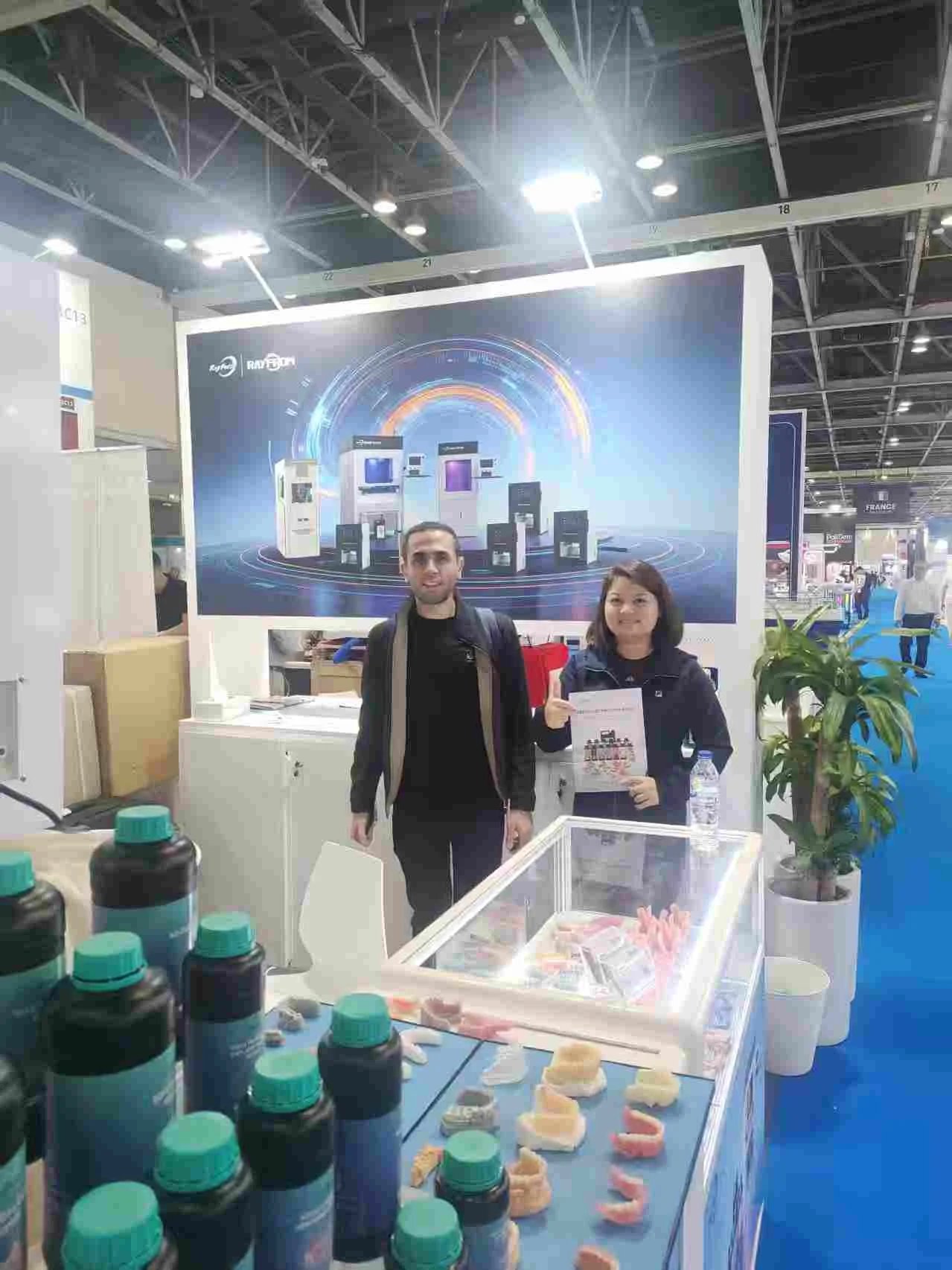
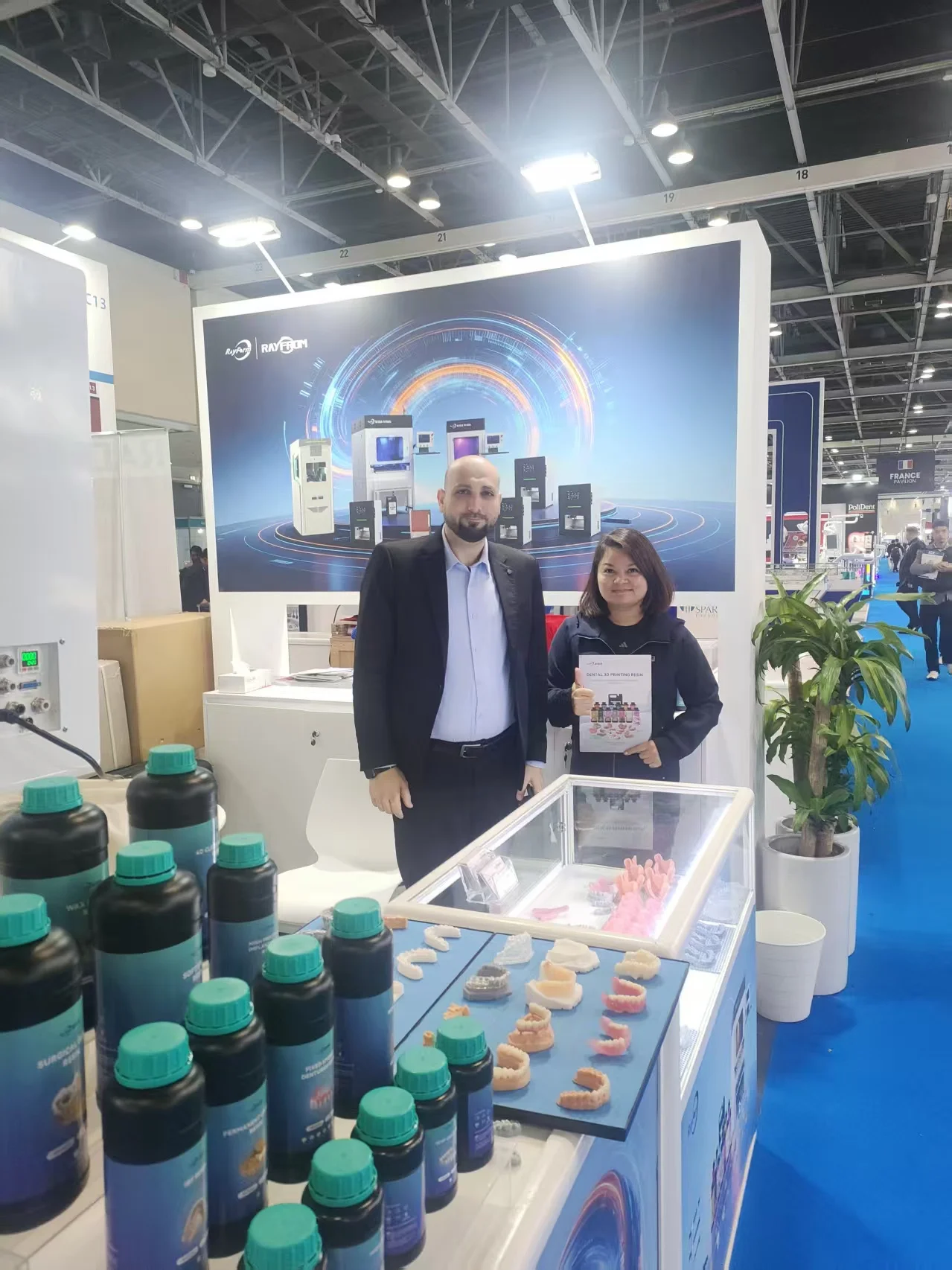
RayForm has wrapped up Day 3 at AEEDC Dubai 2026, marking the close of the world’s largest annual dental conference and exhibition. As the landmark 30th edition drew 80,000+ international visitors from 192 countries and generated billions in deals[1], our booth team engaged with dental lab managers, clinic owners, and distributors from every corner of the globe.
This final-day recap highlights the most frequent questions and concerns we heard — and the validated insights we’re taking home. In short, digital dentistry professionals made one theme clear: in dental 3D printing, consistent and repeatable results trump raw speed. Below we summarize three key lessons from the event and how RayForm is addressing them with production-ready solutions.
Insights from the Booth: Stability Over Hype
Over three days, our booth visitors echoed a common refrain — “We need reliability and consistency.” Many came in curious about printer speeds, but left convinced that stability and repeatability are far more crucial for their lab’s success. It’s easy to be impressed by a machine’s theoretical print time, yet a fast printer is a false economy if it produces variable results that require reprints. In fact, choosing pure speed at the expense of accuracy “compromises treatment outcomes,” as one guide for dental 3D printer buyers warns[3].
The consensus was clear — consistent quality beats headline speed.
Equally prominent was the topic of post-processing. Dental labs and orthodontic production centers told us how curing, washing, and finishing steps can make or break their outputs. Even the best printer “is not enough if the post process is neglected,” as a technical guide notes[6]. We heard stories of aligner models warping due to improper curing, or surgical guides turning brittle from suboptimal wash protocols. These professionals have learned firsthand that print stability doesn’t end at ‘Print’ — it extends through a standardized post-print workflow.
Finally, visitors — especially distributors and group practice (DSO) managers — frequently mentioned the need for scalable Standard Operating Procedures (SOPs). In conversations, “SOP” became the real star of the show. Attendees weren’t just looking for a resin or a printer; they were looking for a proven process they could roll out across multiple operators, shifts, or locations. As one dental lab manager shared, “Our printers are great, but without a consistent SOP, every technician does things slightly differently.” This mirrors a key industry understanding: the success of a lab “does not rely solely on its equipment, but on its ability to standardize processes while growing in volume.”[7]
Workflow Lessons: 3 Takeaways Validated at AEEDC
After dozens of in-depth conversations, three validated insights emerged. These weren’t just theoretical talking points — each was corroborated by real customer experiences and supported by industry evidence.
| Key Takeaway | What It Means in Practice |
|---|---|
| 1. Consistency Trumps Speed | It’s better to have slightly longer print times if every print is accurate. Labs prioritize stable output over marketing-leading speeds, since fewer reprints and adjustments ultimately save more time. As evidence, top labs achieve 98–99% success rates by focusing on reliability[4], ensuring timely case delivery without surprises. |
| 2. Post-Processing Is Paramount | The job isn’t done when the printer stops. Proper washing, curing, and finishing are essential to attain the material’s intended properties and precision. Poor or inconsistent post-processing can yield “inaccurate models” and failures even from a high-end printer[5]. Every step must follow a validated protocol. |
| 3. SOP = The Real “System” | Beyond the hardware and resin, a documented Standard Operating Procedure is the key to scalability. A 3D printing solution isn’t truly “plug-and-play” until your team can follow a written, tested workflow that produces the same result regardless of operator or batch. In fact, it’s “not the material alone that qualifies a device, but the entire validated workflow.”[2] In short, the SOP is the product. |
Deep Dive: Why Reliability Wins
1. Consistency Over Speed
Dental production is not a race to print a single model fastest; it’s about throughput with minimal error. If a printer completes a job in 15 minutes but 1 in 5 prints fail dimensional QA, the true average time per usable part balloons with rework. This is why seasoned labs invest in workflows that yield consistent accuracy from the outset. At AEEDC, we heard multiple references to how print farm managers measure success in yield rate (%) more than raw print time. External data backs this focus: one high-volume ortho lab realized a near 99% success rate by refining their process and could deliver appliances in under a week consistently[4].
2. Post-Processing Determines Quality
We often advise visitors to treat their wash units and curing ovens with the same importance as their printers. At AEEDC, our team demonstrated simple UV curing tests (using a handheld durometer and calipers on sample prints), which drew crowds intrigued by how curing time and light intensity affect final hardness and dimensions. The consensus from visitors was that standardizing post-processing is critical: same times, same temperatures, same solvent, every time. An orthodontic lab owner put it this way: “Once we treated post-process as part of the printing system, our consistency sky-rocketed.” This aligns with industry guides that say validated post-cure workflows are crucial for patient-safe, repeatable results.
3. SOP Is the True System
Success is a system, not a part. Consider two clinics using identical printers and resin; one gets great results and the other struggles. The difference nearly always boils down to the presence (or absence) of a Standard Operating Procedure. At AEEDC, we had multiple distributors tell us they prefer suppliers who can provide a complete workflow, not just bottles and boxes. This reflects the fact that a 3D printer or resin alone doesn’t guarantee outcome until you integrate them into a well-documented method. Scalability in dental 3D printing comes from documented, repeatable SOPs that any new staff can be trained on.
Checklist: Ensuring a Repeatable Workflow
Based on the hard-won wisdom shared by many practitioners at AEEDC 2026, here is a checklist to increase your success rate. Repeatability is achieved by design, not by accident.
RayForm’s Solution: Production-Ready Workflows
We are not in the business of selling just a faster printer or just a resin with a pretty color. We are in the business of delivering repeatable workflow solutions. Here is how we address the key takeaways:
Validated Resin + Printer Parameters
We don’t just sell a bottle of resin and wish you luck. RayForm’s dental 3D printing resins come with validated print profiles for major open-source printers (LCD and DLP systems). Prior to AEEDC, our engineers invested hundreds of hours to dial in pixel-level exposure settings. For example, our resin validated on a Phrozen Sonic Mega produced 50 µm models with <0.1 mm variance on the first try. By providing these parameter cards, we ensure you spend less time on trial-and-error.
Comprehensive Post-Processing SOPs
We offer Standard Operating Procedure guides for post-processing each resin in our lineup. This includes recommended wash solvents (or our water-rinse workflow), specific UV curing unit settings, and even tips on support removal. Many visitors were relieved to find a resin supplier acknowledging that “the print isn’t done until it’s fully finished.” When you adopt RayForm resins, you adopt a complete, proven workflow.
Practical Training & Support (SOP as a Service)
We recognize that documentation alone isn’t always enough. That’s why RayForm provides practical training and ongoing support. Distributors at AEEDC showed strong interest in this “SOP as a service” concept — it means when they recommend RayForm, they’re not just selling a material, but a success blueprint. One DSO production manager remarked that having a one-stop workflow from RayForm “feels like an extension of our team’s know-how,” which is exactly our goal.
FAQ: Common Questions from AEEDC Attendees
Conclusion & Next Steps
AEEDC Dubai 2026 validated that achieving repeatable, high-quality results is the central challenge for digital dentistry today. Speed and flashy features take a backseat to the fundamentals of a stable, repeatable workflow.
If you visited our booth (or even if you couldn’t make it to Dubai), we invite you to connect with us for post-show support. Let’s take these lessons and apply them to make your everyday production smoother.
References & Sources
- [1] MedEdge MEA. “AEEDC Dubai 2026 successfully concludes its landmark 30th edition…”. View on LinkedIn
- [2] Rapid Shape. “Validated Workflows in Dental 3D Printing: A Complete Guide”. Jan 2026. Read Article
- [3] LuxCreo. “Things to Know Before Buying a Dental 3D Printer”. 2025. Read Guide
- [4] Formlabs Dental. “Delivering Consistency: Protec Lab Case Study”. 2023. Read Case Study
- [5] Prodways. “Optimize the Post-Process of Your Dental 3D Prints”. Jul 2025. View Resource
- [6] Ackuretta. “Dental 3D Printing Accuracy (Tech Details, Part 2)”. 2023. Read Blog
- [7] Dental Tribune Pakistan. “AEEDC Dubai 2026: Pakistan’s Strong Presence”. Jan 20, 2026. Read News
- [8] Unicorn DenMart. “Why Dental 3D Printing Is Taking Over Restorative Workflows”. Aug 2025. Read Article
- [9] MDPI Journal. “Comparative Evaluation of SLA vs. DLP Printing in Implant Guides”. Accepted Oct 2025. View Study
- [10] RayForm Technology. “RayForm @ AEEDC 2026 Preview Article”. Jan 2026. View Post