
CIOSP 2026 Recap: RayForm Stable Production Insights and a 72-Hour Action List
A practical recap for dental labs, distributors, and aligner manufacturers following CIOSP 2026 in Sao Paulo.CIOSP 2026 ran from Jan 28-31, 2026 at Expo Center Norte in Sao Paulo. (CIOSP official website[1])
The show ended on Jan 31, 2026. If you are reading this after the event, the goal is not memories – it is a recap you can use to follow up leads and move projects forward.
RayForm’s on-site focus was clear: stable production with repeatable dental 3D printing workflows that reduce remakes and variability. (RayForm Facebook event theme post[7])
Learn more about RayForm dental resins here: Dental model resin.
This recap covers three parts:
- The most common pain points discussed on-site.
- The communication framework RayForm used at the show.
- A 72-hour action list to keep follow-ups from going cold. (Cvent: what an event recap should include[11])
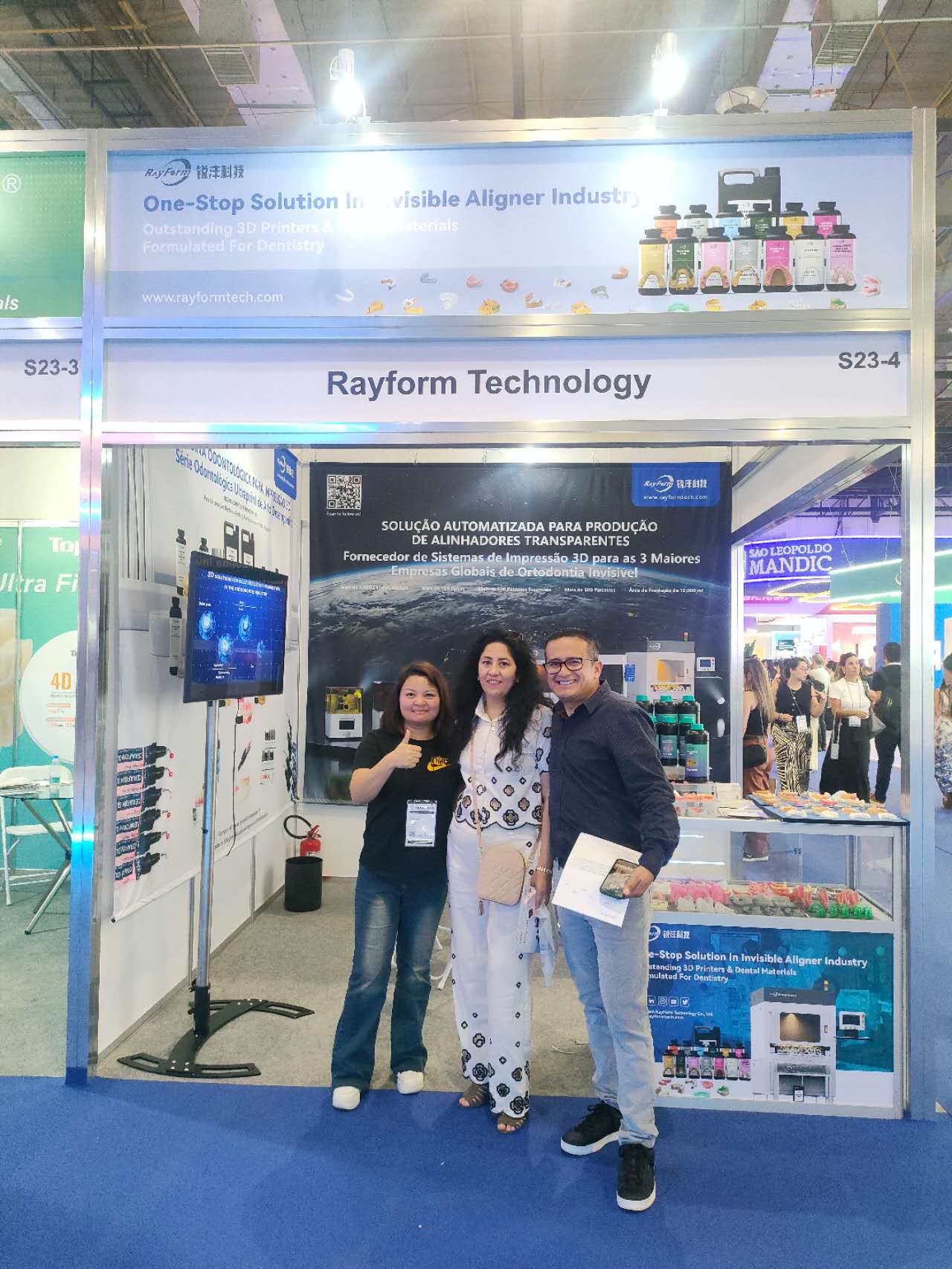
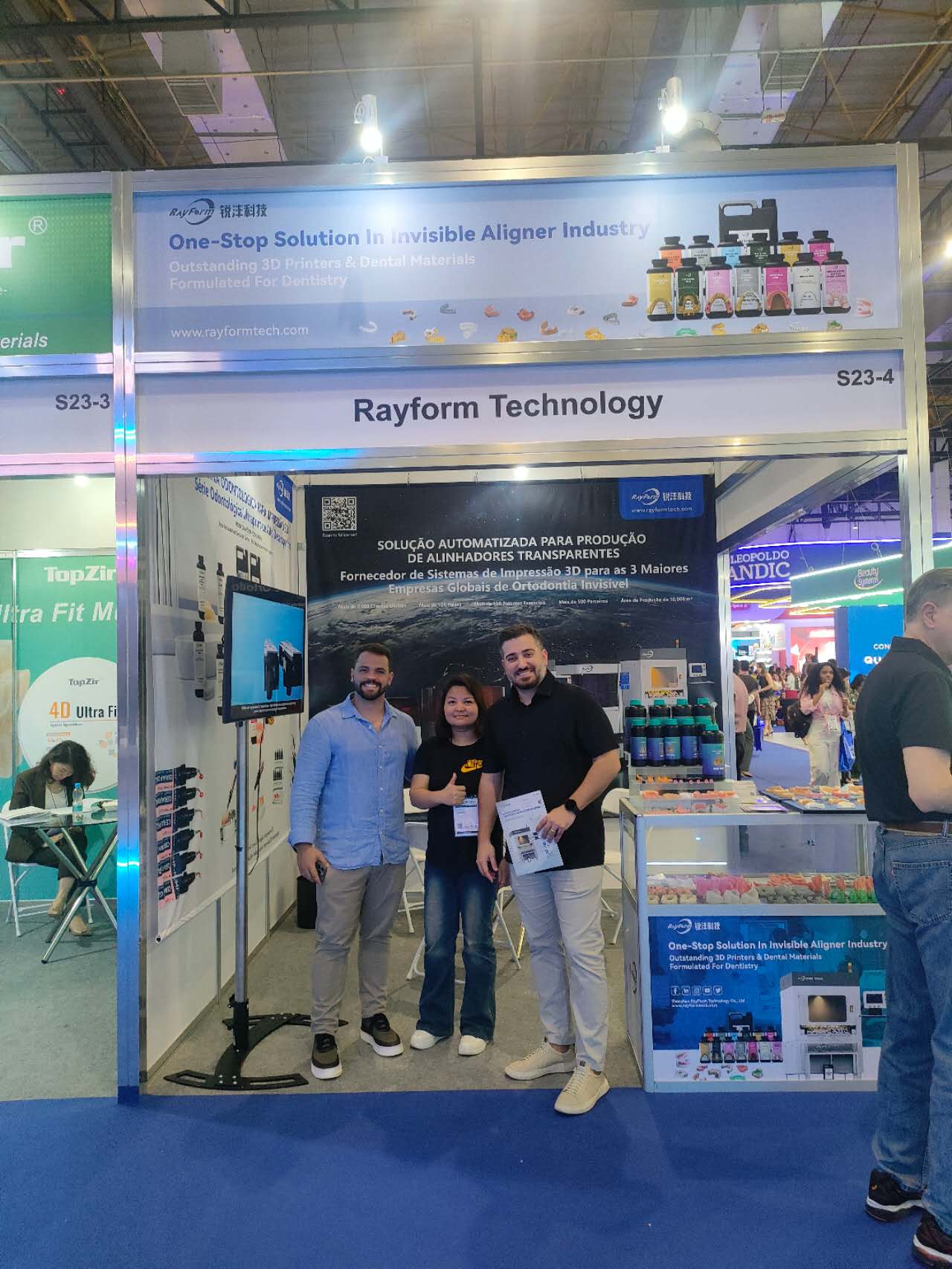
CIOSP 2026 Photo Highlights
Click any portrait image to view the full-size photo.
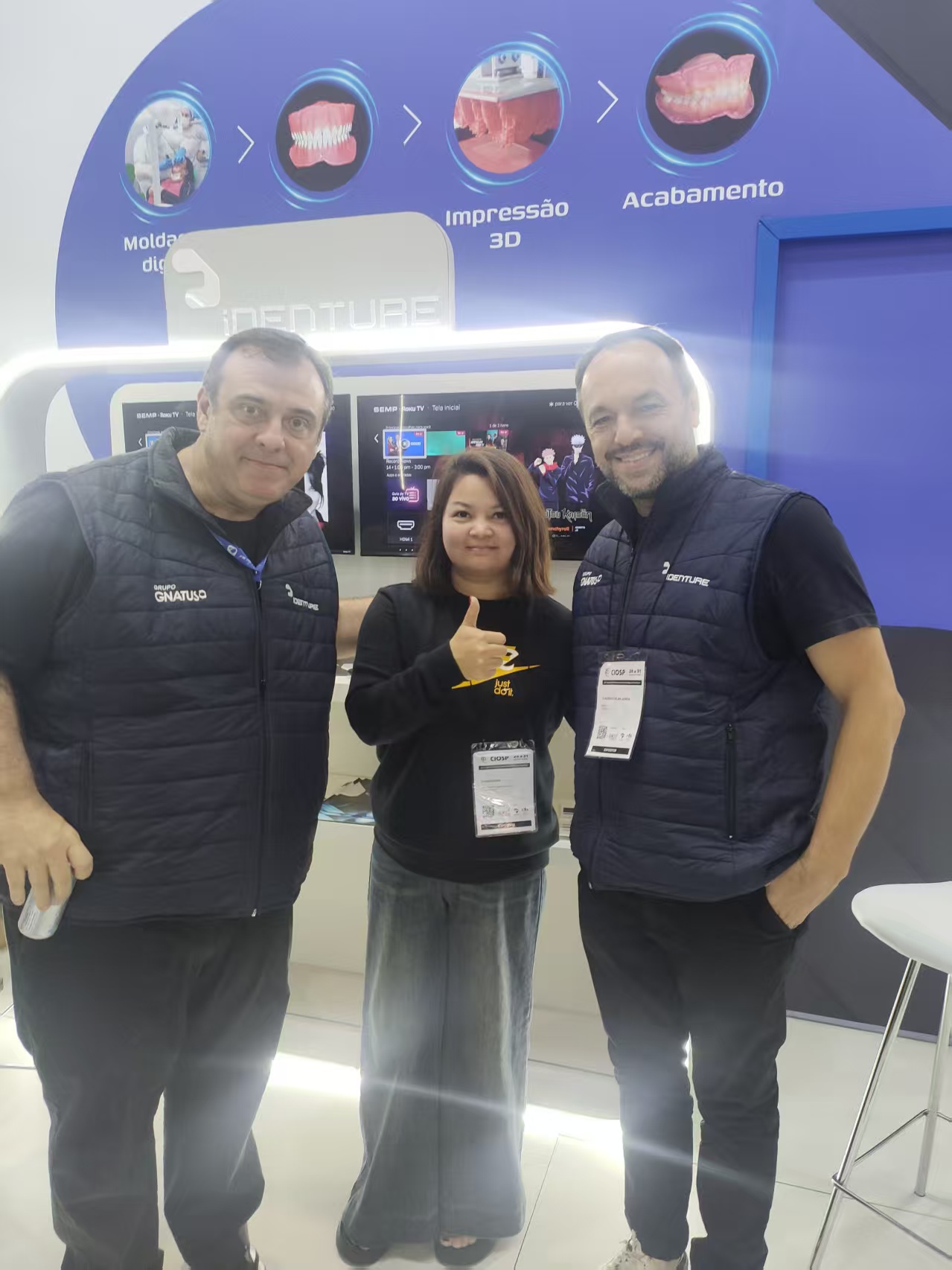
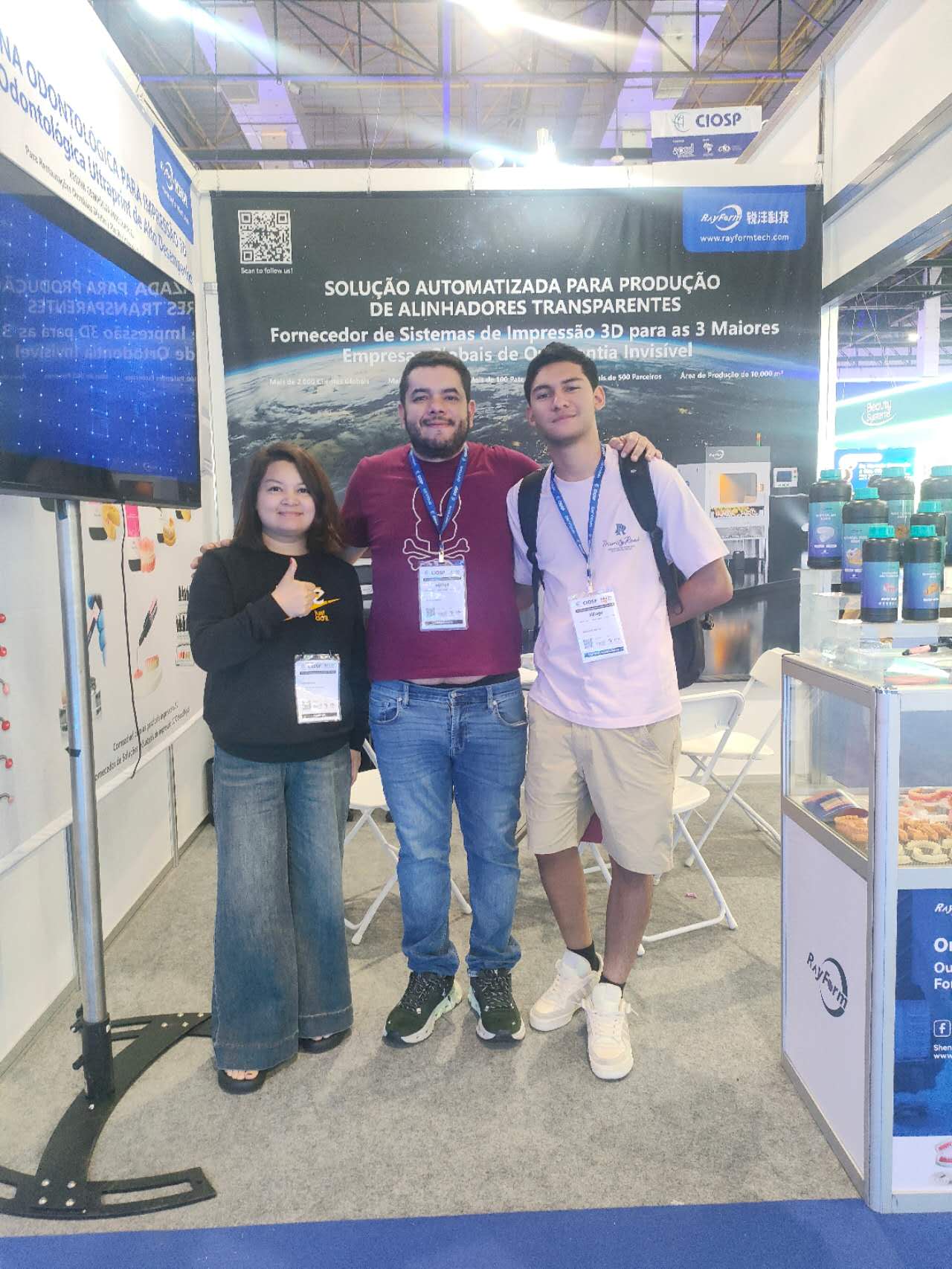
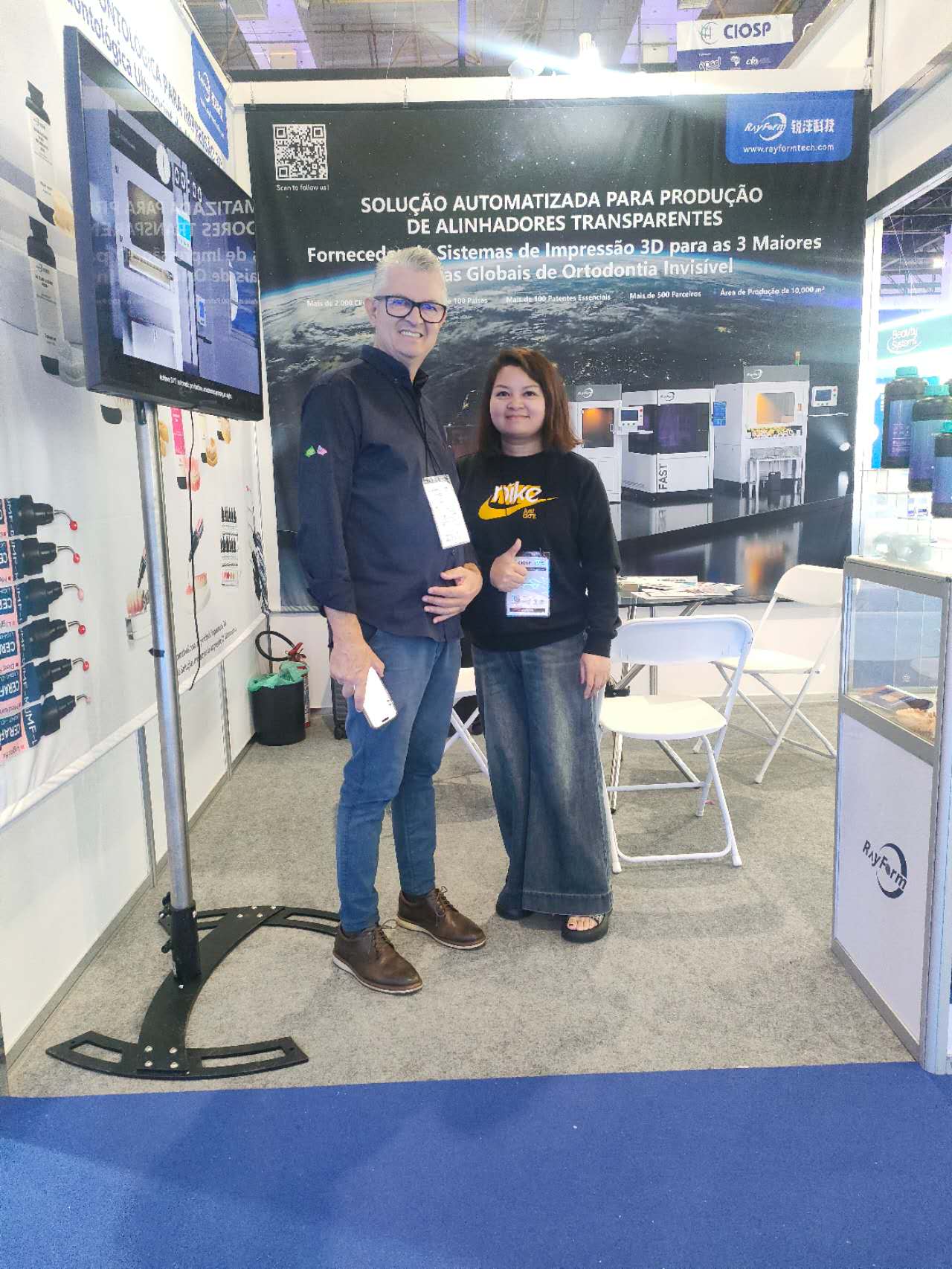
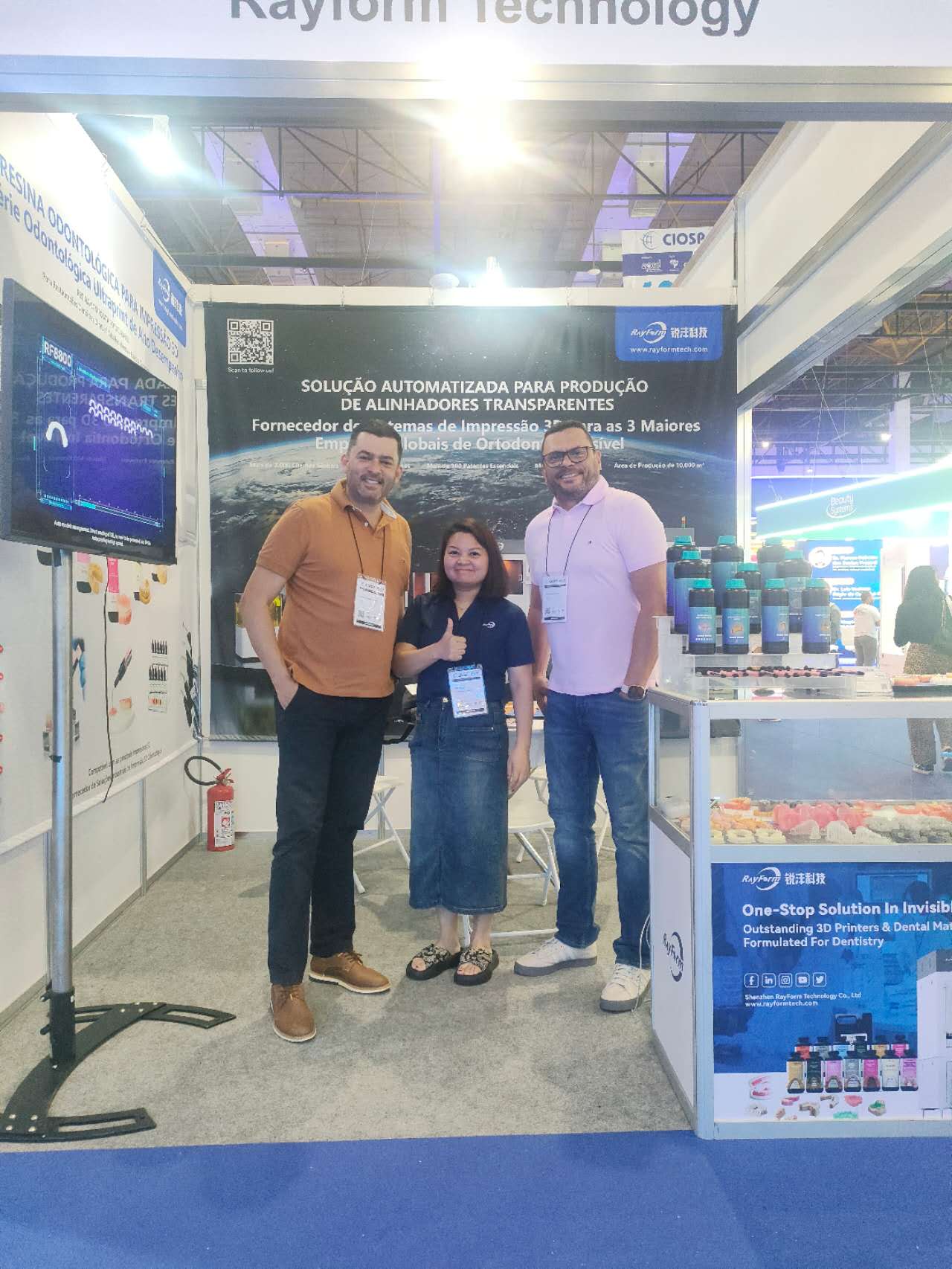
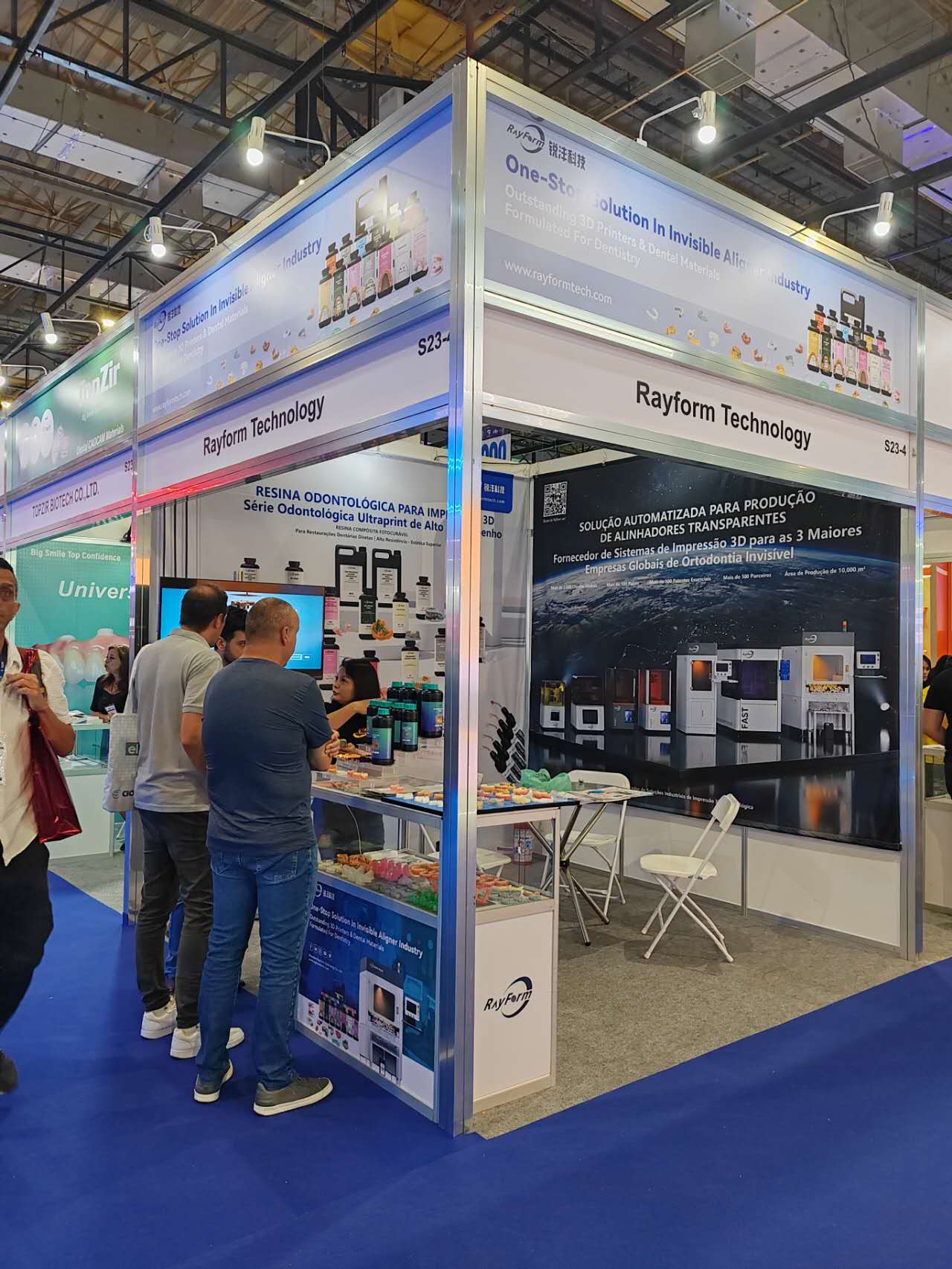
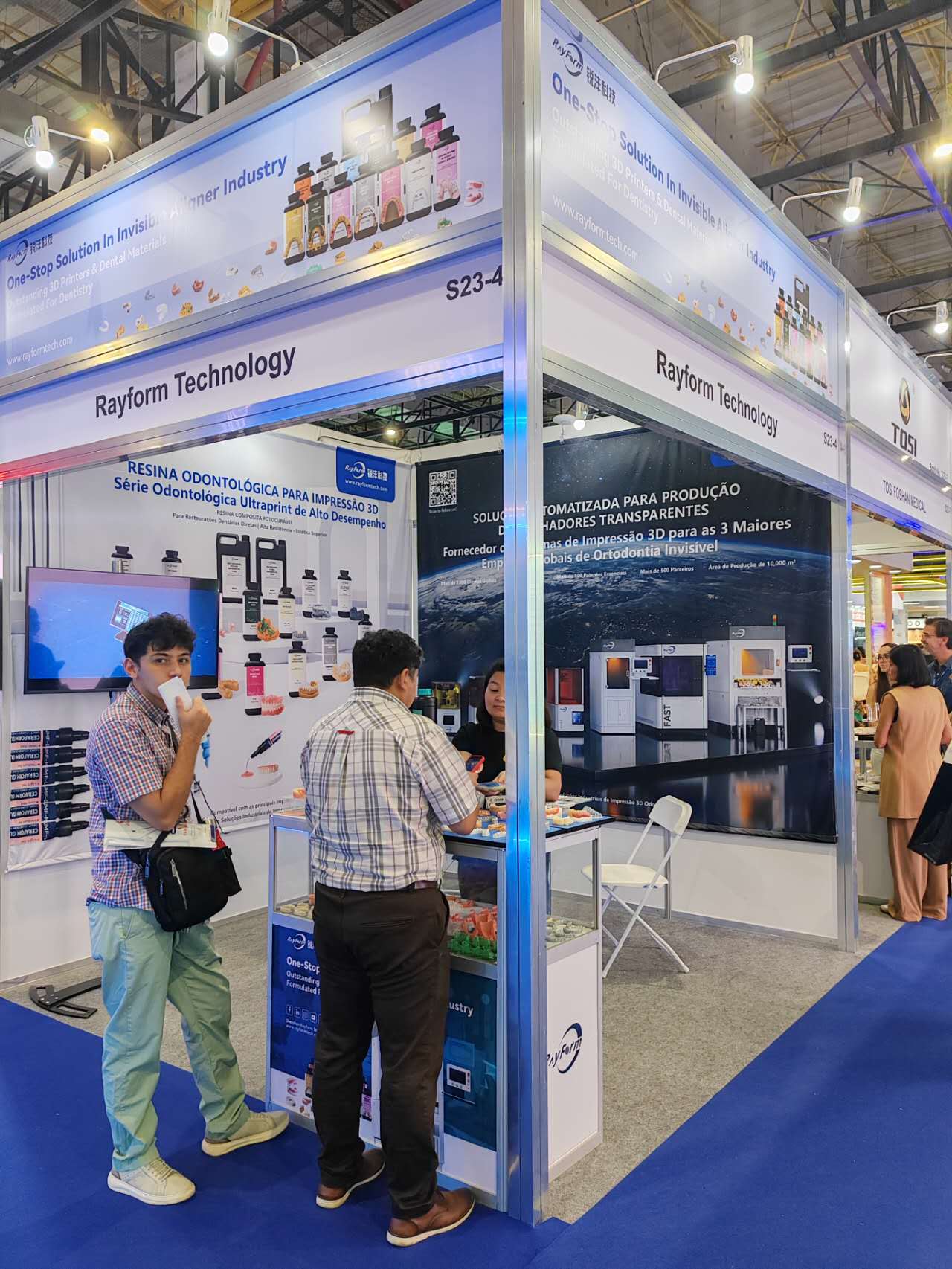
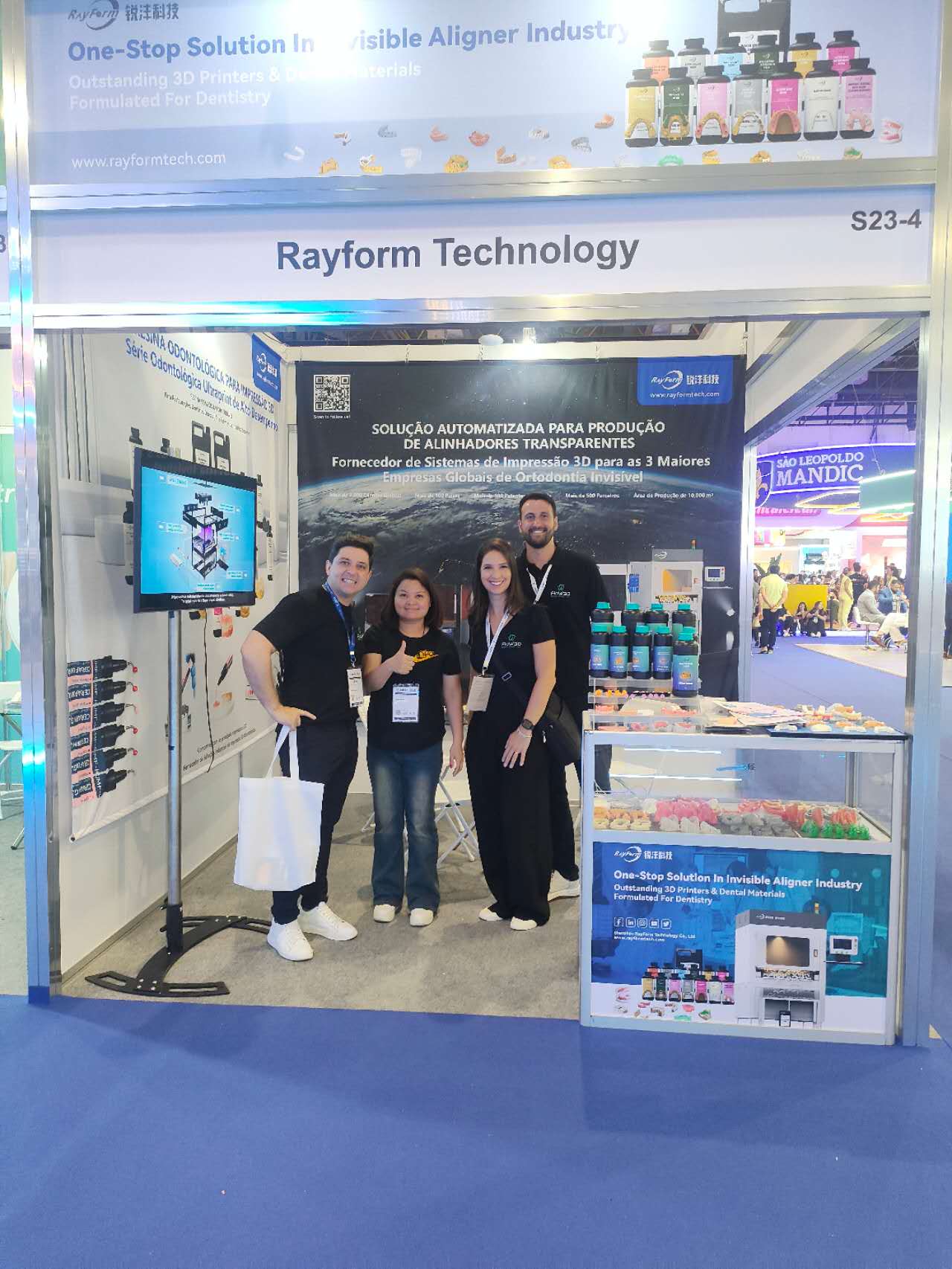
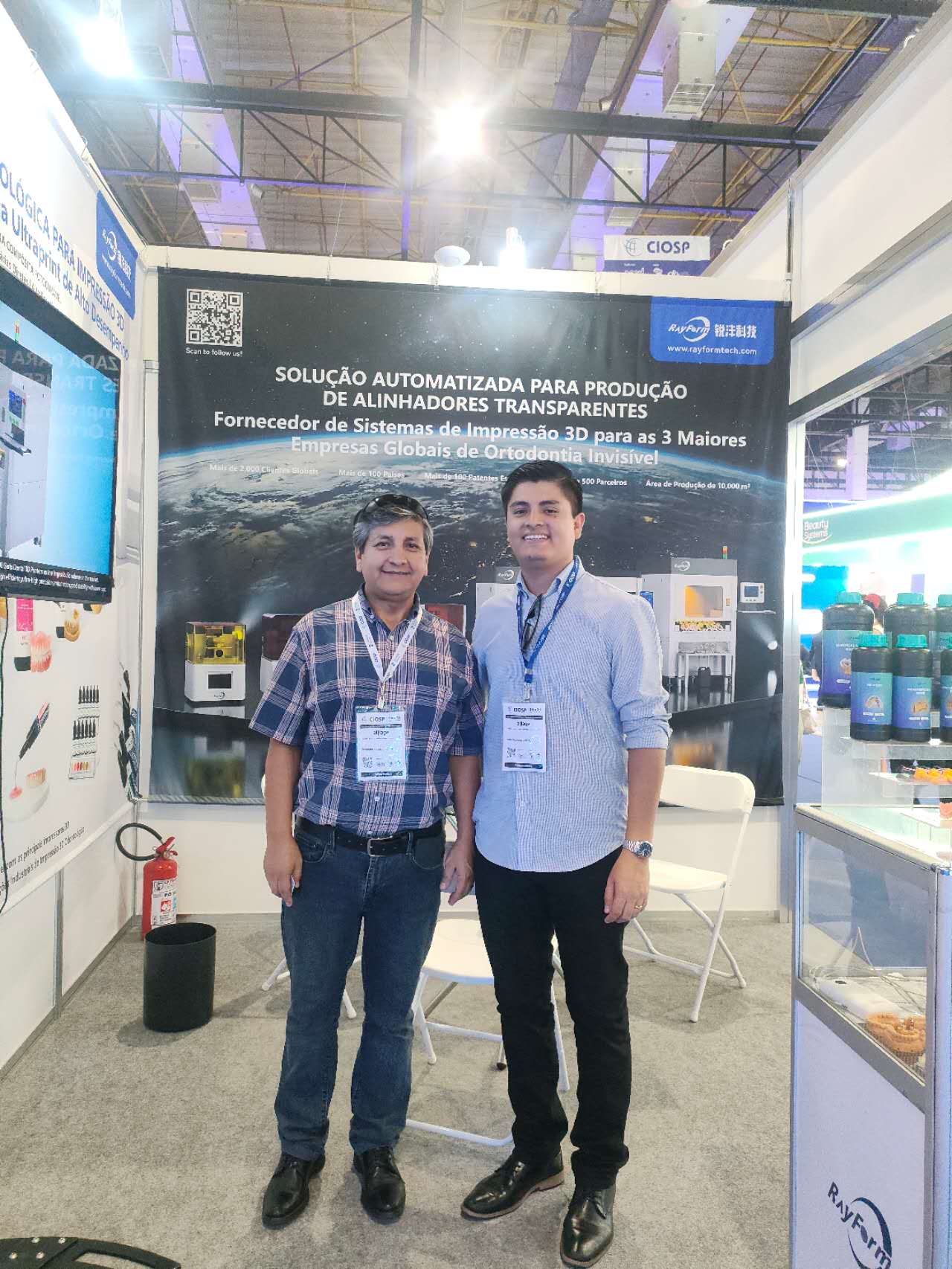
Context and Pain Points
On the show floor you hear a lot of claims. The real bottlenecks are usually in three areas:
Pain Point 1 – Parameter windows are too narrow
Many labs have printable settings, but not a stable and repeatable process window. RayForm’s pre-show guide said it clearly: most visitors leave with brochures, not reproducible parameters, workflow proof, or cost models. (RayForm pre-show guide: Why Most CIOSP Visits Fail[6])
Pain Point 2 – Post-processing drift ruins good prints
Washing, secondary curing, and support removal determine strength, accuracy, durability, and stability. A peer-reviewed review shows that tight control of post-processing parameters is critical to dental 3D printed device performance. (Hassanpour 2024 post-processing review (PMC)[13])
Pain Point 3 – Scaling without documentation
When you serve distributors, chains, or multi-site production, undocumented workflows fail fast. The pre-show guide highlights the value of a Proof Checklist: turning verbal promises into deliverable evidence. (RayForm: Proof Deliverable Checklist[6])
Solution and On-Site Framework
RayForm recommended a simple framework to move from talk to results: Use Case – Material + Process + Post-processing – Proof Deliverables. (RayForm show-floor framework[6])
In short: clarify the use case, align material + process + post-processing, then take home deliverables.
Step 1 – Lead with the use case
Describe the application (models, aligners, guides, temporary restorations) before materials and parameters. Different use cases prioritize accuracy, surface, thermal stability, and strength differently. (MDPI: dental photopolymer resin applications[14])
Step 2 – Ask about material + process + post-processing
Better questions include:
- Process window: at my layer thickness and machine, what exposure range is stable?
- Consistency: how is batch variation controlled and detected early?
- Post-processing SOP: what are the critical control points for wash time and cure conditions? (Hassanpour 2024 (PMC)[13])
Step 3 – Close with Proof Deliverables
Use this table as your post-show request list.
| Your goal | What to ask | What to take home |
|---|---|---|
| Higher yield (fewer remakes) | “What is the stable parameter window?” | Parameter range + key control points (KCP) |
| Better accuracy | “Which orientation and supports do you recommend?” | Support guidance + orientation notes + validation method |
| Faster turnaround | “Is the bottleneck printing or post-processing?” | Post-processing SOP + time breakdown |
| Easier training | “Which steps fail most often and how long is training?” | Training points + common error list |
| Documentation for channels | “What documentation packages are available?” | Document list + traceability approach |
Evidence and Data
Why emphasize stable production instead of speed alone? Dental resin printing is a tightly coupled system of material, process, and post-processing.
- Post-processing affects strength, accuracy, and stability. Reviews show that post-processing precision can impact mechanical strength, biocompatibility-related performance, dimensional accuracy, and long-term stability. (Hassanpour 2024 post-processing review[13])
- Photopolymer resins are widely used, but process matching determines usability. The review covers orthodontic, restorative, and surgical applications and highlights the need to match process technology to the use case. (MDPI Polymers 2025 review[14])
- Documentation becomes a competitive advantage in stricter quality systems. ISO 13485 outlines requirements and scope for medical device quality management systems, which is why channels often ask for documentation packages. (ISO 13485 overview[15])
Risks and FAQs
These are the questions teams tend to ask after the show. Write them once and avoid date mistakes later.
When and where was CIOSP 2026 held?
CIOSP 2026 was held Jan 28-31, 2026 at Expo Center Norte in Sao Paulo. (CIOSP event page[1])
What is the venue address?
The official address is Rua Jose Bernardo Pinto, 333 – Vila Guilherme, Sao Paulo. (CIOSP address page[2])
What were the exhibition hours?
The official schedule lists 10:00-20:00 for Jan 28-30 and 10:00-18:00 for Jan 31. (CIOSP “Sobre” page[3])
What was RayForm’s booth number?
RayForm’s pre-show guide lists Booth S23-4. (RayForm: Booth S23-4[6])
What topic did RayForm emphasize on site?
The core theme was stable production and repeatable workflows, focused on consistency and fewer remakes. (RayForm Facebook: stable production[7]) (RayForm Facebook: consistency[8])
How should I write a useful event recap?
Solid recaps include an overview, key takeaways, photos or video, and clear next steps. (Eventbrite: recap structure[10]) (Cvent: recap essentials[11])
Why emphasize checklists after the show?
Because the most common failure is losing lead momentum. Post-event report guides recommend data-backed action items. (Whova: post-event report guide[12])
Conclusion and Next Steps
CIOSP 2026 is over, but the real work happens after the show. Here are two action tracks you can use immediately.
72-hour action list
- Segment leads by decision chain and scale (labs, distributors, aligner factories, clinic chains).
- Fill in use case details: applications, volume targets, current equipment, failure patterns, and validation method. (RayForm: Step 1 checklist[6])
- Use the Proof Deliverables table to request what is missing (parameter windows, post-processing SOPs, QC points).
- Run 1-2 small validations first, then scale. (Hassanpour 2024 (PMC)[13])
Internal links
References and Sources
- [1] CIOSP official website – dates and venue. https://www.ciosp.com.br/
- [2] CIOSP official address page – Rua Jose Bernardo Pinto, 333. https://www.ciosp.com.br/como-chegar-no-ciosp
- [3] CIOSP official overview page – exhibition hours. https://www.ciosp.com.br/sobre-o-ciosp
- [4] InfoDent International – CIOSP 2026 calendar listing. https://www.infodentinternational.com/calendars/2026_1/14109
- [5] Dental Tribune International – CIOSP 2026 event listing. https://www.dental-tribune.com/event/ciosp-2026/
- [6] RayForm – CIOSP 2026 pre-show guide (Booth S23-4 + Proof Checklist). https://www.rayformtech.com/dental-model-resin.html
- [7] RayForm Facebook – “stable production” event theme post. facebook.com/rayform3ddental
- [8] RayForm Facebook – “consistency” theme post. facebook.com/rayform3ddental
- [9] RayForm Facebook – CIOSP Day 1 video post. facebook.com/rayform3ddental
- [10] Eventbrite – how to write an event recap. https://www.eventbrite.com/blog/ds00-how-to-write-a-post-event-blog/
- [11] Cvent – event recap essentials. https://www.cvent.com/en/blog/events/event-recap
- [12] Whova – post-event report guide. https://whova.com/blog/post-event-report-guide/
- [13] Hassanpour 2024 (PMC) – post-processing parameter review. https://pmc.ncbi.nlm.nih.gov/articles/PMC11479229/
- [14] Yuceer 2025 (MDPI Polymers) – dental photopolymer resin review. https://www.mdpi.com/2073-4360/17/3/316
- [15] ISO – ISO 13485:2016 overview. https://www.iso.org/standard/59752.html