
Dental 3D printing technology has revolutionized modern dentistry, enabling dental professionals to create precise, customized solutions with unprecedented speed and accuracy. This comprehensive guide explores the transformative impact of additive manufacturing on digital dentistry workflows, from diagnostic models to final restorations.
Understanding Digital Dentistry and 3D Printing
Modern digital dentistry represents a paradigm shift from traditional analog methods to fully integrated digital workflows. At the heart of this transformation lies 3D printing technology, which enables the fabrication of highly accurate dental appliances directly from digital designs. This technology has become indispensable for modern dental practices seeking to improve efficiency, reduce costs, and enhance patient outcomes.
Key Applications in Dental Practice
Surgical Guides and Implant Planning
3D printed surgical guides have become essential tools for implant dentistry. These custom-fitted devices ensure precise implant placement by guiding the drill to the exact predetermined position and angle. The accuracy achieved through digital planning and 3D printing significantly reduces surgical complications and improves long-term success rates.
Orthodontic Models and Aligners
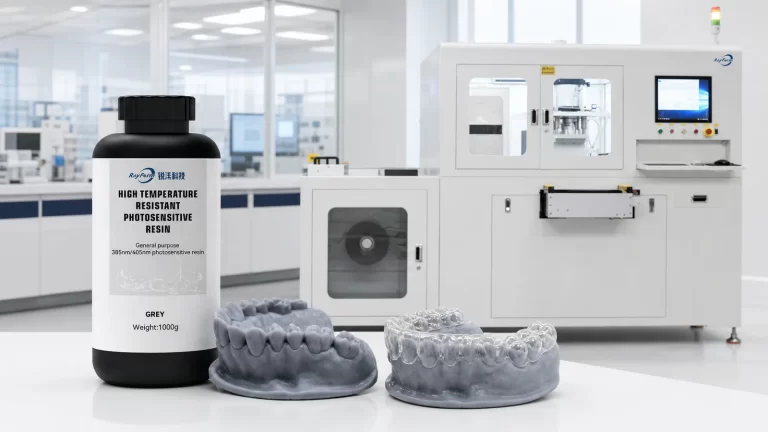
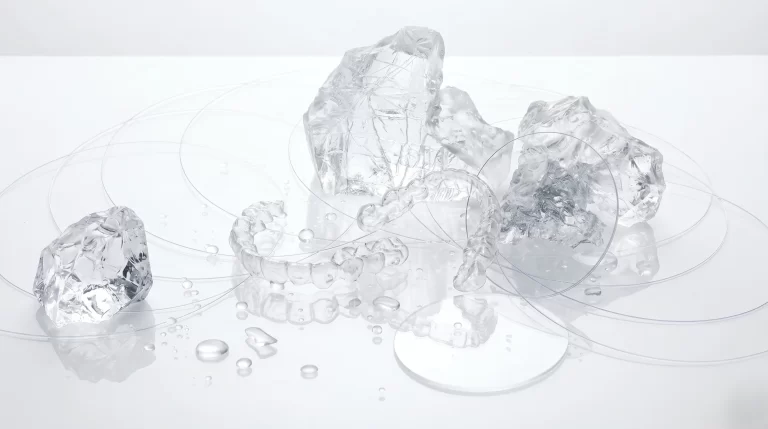
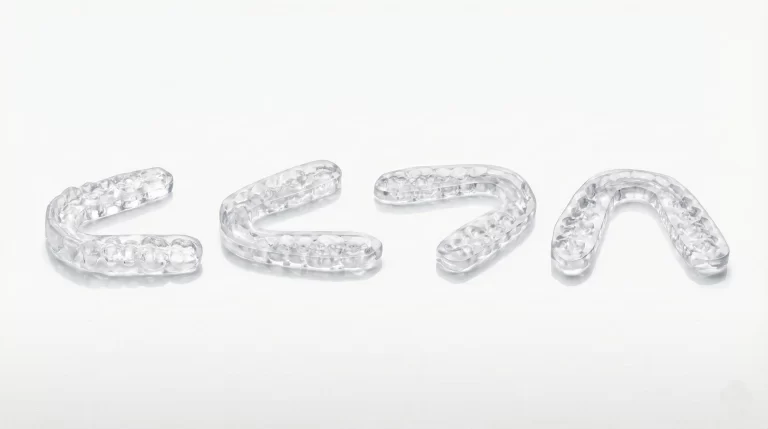
Dental resin materials have enabled the efficient production of orthodontic models and aligner fabrication. Clear aligner therapy, in particular, has benefited enormously from 3D printing technology, allowing practices to produce aligners in-house with greater control over treatment timing and customization.
Crown and Bridge Frameworks
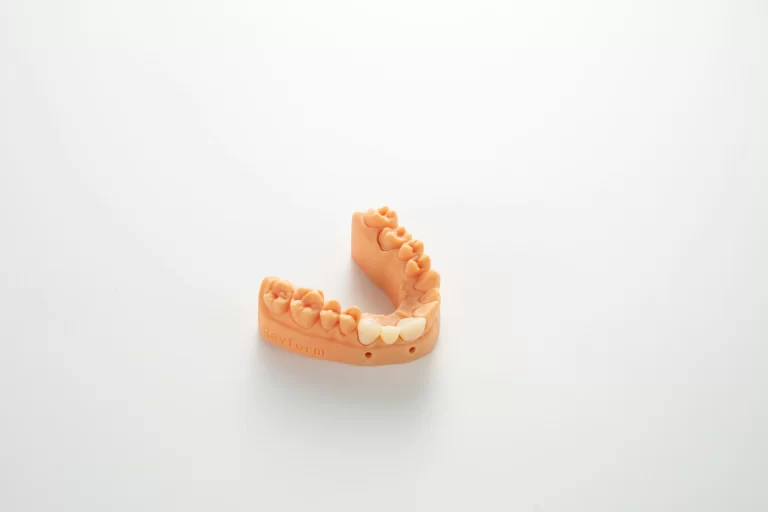
3D printing has expanded into the production of permanent restorations, including crown and bridge frameworks. Advanced materials and improved printing resolution now enable the fabrication of metal and zirconia frameworks that meet the demanding requirements of long-term clinical use.
Choosing the Right 3D Printer for Your Practice
When selecting a 3D printer for dental applications, several factors require consideration:
- Build volume and throughput requirements
- Required resolution and accuracy specifications
- Range of compatible materials
- Integration with existing CAD/CAM systems
- Total cost of ownership, including maintenance and consumables
Materials and Technologies
Modern dental 3D printing utilizes various technologies including DLP (Digital Light Processing), SLA (Stereolithography), and LCD-based systems. Each technology offers distinct advantages for specific applications. The selection of appropriate materials, from biocompatible resins to high-strength ceramics, ensures optimal results for each clinical indication.
Workflow Integration
Successful implementation of 3D printing requires seamless integration with existing practice workflows. This includes digital scanning, CAD design, print preparation, post-processing, and quality control. A well-designed workflow maximizes efficiency while maintaining the high standards required for dental applications.
Future Developments
The future of dental 3D printing promises continued advancement in materials, speed, and applications. Emerging technologies include improved biocompatible materials for permanent restorations, artificial intelligence-assisted design optimization, and more efficient printing processes. Staying current with these developments ensures practices remain competitive in an evolving landscape.
Conclusion
Dental 3D printing technology represents a fundamental advancement in modern dentistry. By embracing these technologies, dental professionals can achieve unprecedented levels of precision, efficiency, and patient satisfaction. As the technology continues to evolve, its role in daily practice will only expand, making it an essential investment for forward-thinking dental practices.